
A concept first, clinically grounded master class on cytochrome P450 metabolism: every high yield isoenzyme, inducer, inhibitor, prodrug, mnemonic, decision algorithm, exam trap, and practice question you need to understand through any Step 1 drug interaction vignette.
A 34 year old woman has been stable for two years on a combined oral contraceptive pill. She develops pulmonary tuberculosis and is started on a standard four drug regimen that includes Rifampin. Six weeks later she presents with a positive pregnancy test. Nothing about her contraceptive adherence changed. So what happened?
Rifampin is one of the most powerful CYP450 inducers in clinical medicine. It ramps up the liver enzymes that metabolize the estrogen and progestin in her pill. Over days to weeks the hormone levels fall below the contraceptive threshold, ovulation returns, and the pill silently fails. The pharmacology did exactly what it always does. The clinician simply did not anticipate the interaction.
Now flip the scenario. A 70 year old man stable on Warfarin is started on a course of Clarithromycin for a chest infection. Within days his INR climbs to 7 and he develops bleeding. Clarithromycin is a strong CYP3A4 inhibitor. It throttles Warfarin clearance, Warfarin accumulates, and anticoagulation overshoots into a danger zone. Same enzyme system, opposite direction, opposite disaster.
Why this is tested so often These two cases capture the entire teaching point of CYP450 on USMLE Step 1. A single added or removed drug changes the concentration of another drug, and the patient either loses efficacy or develops toxicity. Examiners love this because it tests reasoning, not recall. If you understand the direction of the effect, you can solve questions about drugs you have never memorized.
Note for the pass or fail era: Step 1 has been scored pass or fail since January 2022, so the goal is no longer chasing a three digit score but reliably clearing the threshold. That makes integrated pharmacology and other high-yield systems even more valuable, a small framework here converts many separate facts into guaranteed points, and the same logic carries into Step 2 and the wards.
This section builds the mental model. Once you see where these enzymes live and what they do, induction and inhibition stop feeling like trivia.
Cytochrome P450 (CYP) is a superfamily of heme containing enzymes embedded mainly in the smooth endoplasmic reticulum of hepatocytes. When liver tissue is processed in the lab, fragments of this reticulum form tiny vesicles called microsomes, which is why you will hear these called microsomal enzymes. Smaller but important amounts also sit in the intestinal wall, kidney, lung, and brain. The name P450 comes from the pigment absorbing light at 450 nanometers when bound to carbon monoxide.
Their core job is biotransformation: converting lipophilic drugs and toxins into more water soluble products that the kidney can excrete. Without this step, fat soluble drugs would linger in the body almost indefinitely.
Metabolism runs in two broad phases. CYP450 dominates phase I.
| Phase | What happens | Typical reactions | Result |
|---|---|---|---|
| Phase I | Unmask or add a polar functional group | Oxidation, reduction, hydrolysis (mostly CYP450) | Slightly more polar metabolite, sometimes active or toxic |
| Phase II | Attach a large polar molecule | Glucuronidation, sulfation, acetylation, methylation, Glutathione conjugation | Usually inactive, highly water soluble, ready for excretion |
High yield: CYP450 is the engine of phase I oxidation. When the exam says induction or inhibition of metabolism, it almost always means a change in CYP450 phase I activity.
An orally absorbed drug travels from the gut into the portal vein and through the liver before it ever reaches the systemic circulation. CYP enzymes in the intestinal wall and liver can metabolize a large fraction of the dose on this first pass, which lowers oral bioavailability. This is why some drugs need much higher oral than intravenous doses, and why anything that changes CYP activity in the gut or liver can swing drug exposure dramatically. Grapefruit juice acts largely by knocking out intestinal CYP3A4 and raising the bioavailability of drugs that normally suffer heavy first pass loss.
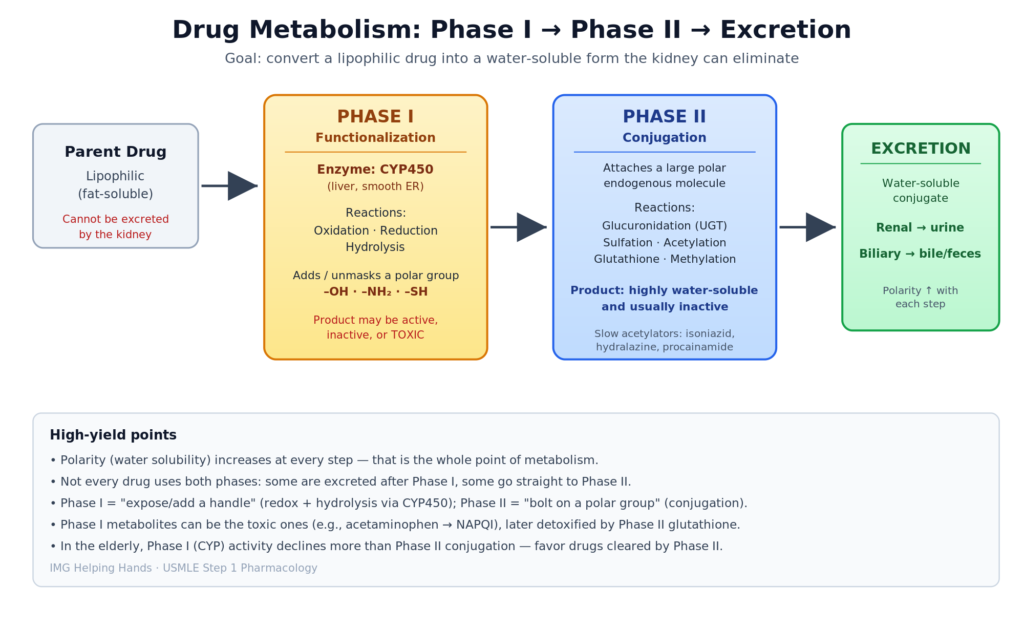
Figure 1. The path of a drug through phase I and phase II metabolism to excretion.
Picture CYP450 as a fleet of trucks clearing drug molecules out of the bloodstream. An inducer adds more trucks, so clearance rises and drug levels drop. An inhibitor takes trucks off the road, so clearance falls and drug levels build up. For a drug with a wide safety margin this barely matters. For a narrow therapeutic index drug such as Warfarin, Theophylline, or Cyclosporine, even a modest shift can tip the patient into treatment failure or toxicity.
The one sentence rule Inducers lower the level of the drug they act on (think faster clearance, treatment failure). Inhibitors raise the level of the drug they act on (think slower clearance, toxicity).
A prodrug is inactive until CYP450 converts it into its active form. Here the usual rule reverses. An inhibitor blocks activation, so a prodrug becomes less effective, while an inducer speeds activation and can increase effect or toxicity. Codeine (activated by CYP2D6 to Morphine) and Clopidogrel (activated by CYP2C19) are the two prodrugs examiners use to catch students who memorized the rule without understanding it.
Humans have dozens of CYP enzymes, but a handful handle most clinically important drugs. Below, each enzyme gets its substrates, inhibitors, inducers, classic exam associations, pearls, and traps, followed by one master table for fast scanning.
Major substrates: statins (Simvastatin, Atorvastatin, Lovastatin), calcium channel blockers, Cyclosporine, Tacrolimus, macrolides, many benzodiazepines (Midazolam, Triazolam), oral contraceptives, protease inhibitors, and the active metabolites of many opioids.
Important inhibitors: Azole antifungals (Ketoconazole, Itraconazole), Clarithromycin and Erythromycin, protease inhibitors (especially Ritonavir), grapefruit juice (gut CYP3A4), Cobicistat.
Important inducers: Rifampin, Carbamazepine, Phenytoin, Phenobarbital, St. John’s wort, Efavirenz.
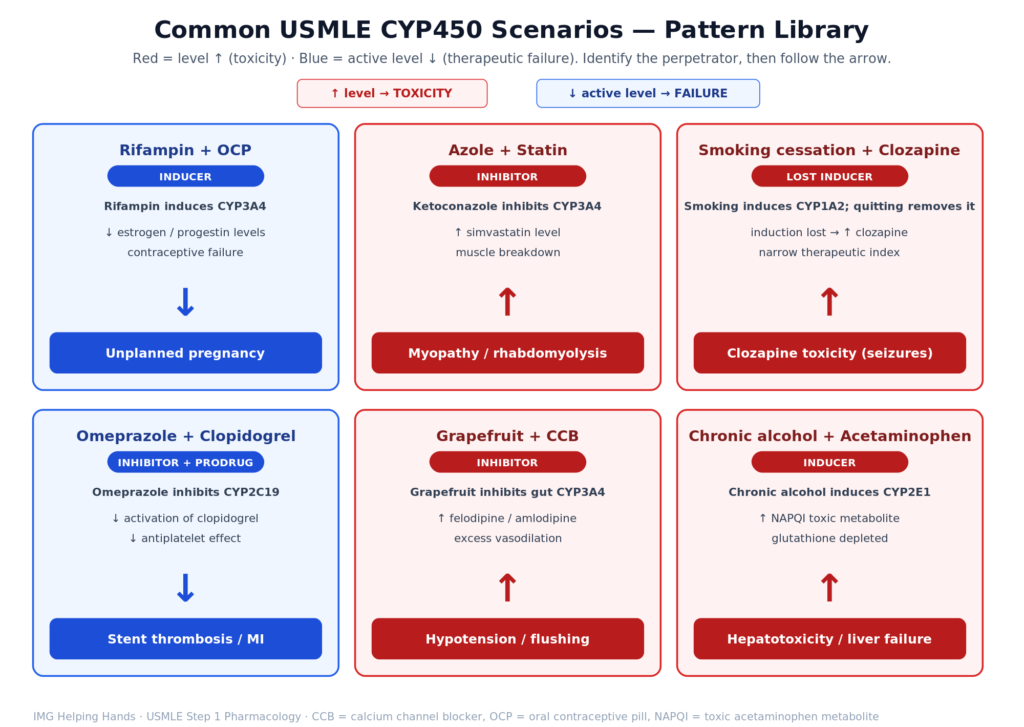
Classic USMLE association: Azole plus Simvastatin leads to rhabdomyolysis; Rifampin plus oral contraceptive leads to unplanned pregnancy.
High yield pearl: CYP3A4 metabolizes more than half of all clinically used drugs and exists in both the liver and the gut wall, which is why grapefruit matters.
Exam trap: Ritonavir is sometimes added on purpose as a booster to raise levels of another protease inhibitor. The interaction is intentional, not an error.
Major substrates: many beta blockers (Metoprolol), tricyclic antidepressants, several SSRIs, antipsychotics, Dextromethorphan, Tamoxifen, and the prodrugs Codeine and Tramadol.
Important inhibitors: Fluoxetine and Paroxetine (strong), Bupropion, Quinidine.
Inducers: not significantly inducible, which is itself a testable fact.
Classic USMLE association: poor metabolizers get no analgesia from Codeine because they cannot convert it to Morphine; ultrarapid metabolizers can develop opioid toxicity.
High yield pearl: CYP2D6 shows striking genetic polymorphism, producing poor, normal, and ultrarapid metabolizer phenotypes.
Exam trap: Paroxetine or Fluoxetine can blunt Tamoxifen activation (Tamoxifen is a prodrug needing CYP2D6 to form endoxifen). The clinical outcome data are mixed, but the pharmacologic concept is the high yield testable point.
Major substrates: Warfarin (the S enantiomer), Phenytoin, many NSAIDs, Sulfonylureas, Losartan.
Important inhibitors: Amiodarone, Fluconazole, Metronidazole, Sulfamethoxazole, Isoniazid.
Important inducers: Rifampin, Carbamazepine, Phenobarbital.
Classic USMLE association: Amiodarone or Metronidazole added to Warfarin raises INR and bleeding risk.
High yield pearl: CYP2C9 genetic variants plus VKORC1 variants explain much of the dosing variability in Warfarin.
Exam trap: Losartan is a prodrug activated by CYP2C9 and CYP3A4 to its active form, so inhibition can reduce its antihypertensive effect.
Major substrates: Clopidogrel (prodrug), proton pump inhibitors, many SSRIs, Diazepam, Voriconazole.
Important inhibitors: Omeprazole and Esomeprazole, Fluconazole, Fluoxetine.
Important inducers: Rifampin.
Classic USMLE association: Omeprazole reduces conversion of Clopidogrel to its active metabolite, blunting antiplatelet effect; the FDA advises avoiding this combination and favoring an H2 blocker such as Famotidine.
High yield pearl: like CYP2D6, CYP2C19 is polymorphic, and poor metabolizers get weaker Clopidogrel response.
Exam trap: Clopidogrel is a prodrug, so an inhibitor reduces (not raises) its effect.
Major substrates: Theophylline, Caffeine, Clozapine, Olanzapine, Tizanidine, Ramelteon, some R Warfarin.
Important inhibitors: Fluvoxamine (strong), Ciprofloxacin and other fluoroquinolones.
Important inducers: polycyclic aromatic hydrocarbons in cigarette smoke (not Nicotine), charbroiled meat, cruciferous vegetables.
Classic USMLE association: a smoker who quits suddenly has reduced CYP1A2 activity, so Theophylline or Clozapine levels climb toward toxicity.
High yield pearl: it is the tar and combustion products, not Nicotine, that induce CYP1A2, so Nicotine patches do not cause this effect.
Exam trap: starting Ciprofloxacin in a patient on Theophylline can precipitate seizures from Theophylline accumulation.
Major substrates: Ethanol, Acetaminophen, Halothane, many small volatile compounds.
Important inhibitor: acute alcohol (competes for the enzyme).
Important inducers: chronic alcohol use, Isoniazid.
Classic USMLE association: chronic alcohol use induces CYP2E1, increasing production of the toxic Acetaminophen metabolite NAPQI and lowering the toxic dose threshold.
High yield pearl: CYP2E1 explains the acute versus chronic alcohol paradox tested on Step 1.
Exam trap: do not confuse acute alcohol (inhibitor) with chronic alcohol (inducer); they act in opposite directions.
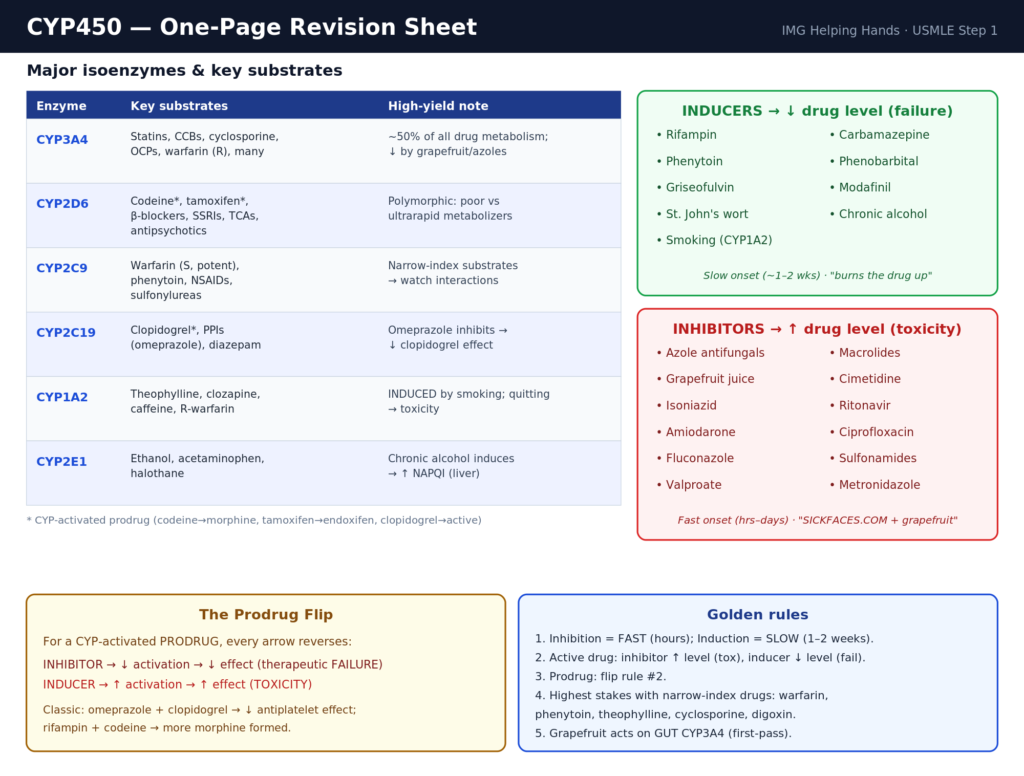
One screen, six enzymes. Scan this until the columns become reflexive. Bold names inside the cells are the ones examiners use most.
| Enzyme | Signature substrates | Key inhibitors | Key inducers | Must know link or trap |
|---|---|---|---|---|
| CYP3A4 | Statins, Cyclosporine, Tacrolimus, Midazolam, OCPs, many CCBs | Azoles, Clarithromycin, Ritonavir, grapefruit | Rifampin, Carbamazepine, Phenytoin, St. John’s wort | Azole plus statin equals rhabdomyolysis |
| CYP2D6 | Metoprolol, TCAs, Codeine, Tramadol, Tamoxifen | Fluoxetine, Paroxetine, Quinidine, Bupropion | Not meaningfully inducible | Codeine fails in poor metabolizers (prodrug) |
| CYP2C9 | Warfarin (S), Phenytoin, NSAIDs, sulfonylureas | Amiodarone, Fluconazole, Metronidazole, sulfa | Rifampin, Carbamazepine, Phenobarbital | Amiodarone raises INR on Warfarin |
| CYP2C19 | Clopidogrel, PPIs, Diazepam, Voriconazole | Omeprazole, Esomeprazole, Fluconazole | Rifampin | Omeprazole weakens Clopidogrel (prodrug) |
| CYP1A2 | Theophylline, Caffeine, Clozapine, Olanzapine | Fluvoxamine, Ciprofloxacin | Cigarette smoke, charbroiled meat | Quitting smoking raises Theophylline level |
| CYP2E1 | Ethanol, Acetaminophen, Halothane | Acute alcohol | Chronic alcohol, Isoniazid | Chronic alcohol increases NAPQI toxicity |
Sourcing: substrate, inhibitor, and inducer assignments follow the FDA drug interaction classification tables [6]. The chronic alcohol and Acetaminophen relationship through CYP2E1 induction [4] and the induction of CYP1A2 by tobacco smoke [5] are supported by NIH and peer reviewed pharmacology sources listed in the References section.
This is the heart of the topic. Read every cell across the row, because the contrast is what the exam rewards.
| Feature | CYP450 Inducers | CYP450 Inhibitors |
|---|---|---|
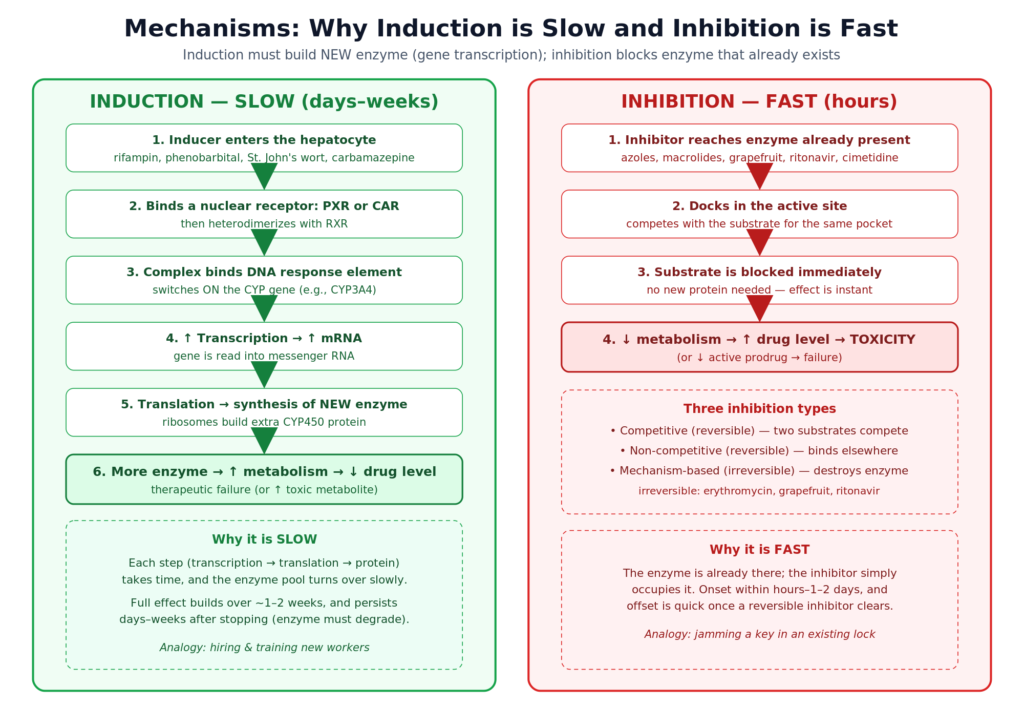
| Mechanism | Increase enzyme synthesis (more enzyme protein made) through nuclear receptors such as PXR and CAR | Reduce enzyme activity by competing for or blocking the active site, or by destroying enzyme (mechanism based) |
| Time course | Slow onset and slow offset (days to about 2 weeks) because new protein must be transcribed | Fast onset (hours to a few days) because existing enzyme is blocked immediately |
| Effect on substrate level | Lower plasma drug levels (faster clearance) | Higher plasma drug levels (slower clearance) |
| Clinical effect on normal drug | Loss of efficacy, treatment failure | Toxicity, exaggerated effect, adverse events |
| Effect on a prodrug | More active drug formed (more effect or toxicity) | Less active drug formed (loss of efficacy) |
| Representative agents | Rifampin, Carbamazepine, Phenytoin, Phenobarbital, St. John’s wort, chronic alcohol, smoking, Griseofulvin | Azole antifungals, macrolides (not Azithromycin), grapefruit, Cimetidine, Isoniazid, Ritonavir, Amiodarone, acute alcohol |
| Drugs commonly affected | Warfarin, oral contraceptives, Cyclosporine, antiepileptics, Methadone | Warfarin, Theophylline, statins, Cyclosporine, Tacrolimus |
| Classic USMLE clue | A new drug is added and the patient’s other drug stops working over a couple of weeks | A new drug is added and the patient develops toxicity within days |
| Memory hook | InDUCE equals reDUCE the level (think DUCE goes down) | InhibIT equals levels go up and hIT toxicity |
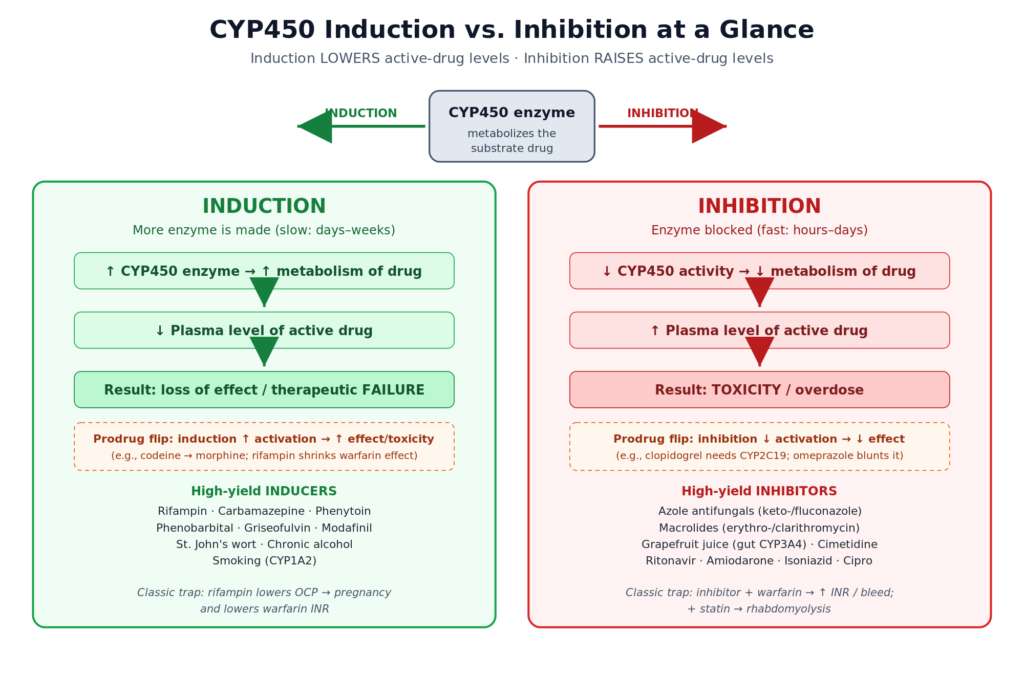
Figure 2. The two opposite directions at a glance: induction lowers levels, inhibition raises them.
Figure 3. Plasma concentration over time for baseline, inducer, and inhibitor, with the toxic and subtherapeutic thresholds.
Timing is a favorite distractor: Because induction needs new protein synthesis, its effect appears after days and persists for days after the inducer is stopped. Inhibition is nearly immediate. If a vignette shows a problem within 24 to 48 hours, suspect inhibition. If it develops over one to two weeks, suspect induction.
Figure 4. Time course of inhibition versus induction. Fast points to inhibition, slow points to induction.
The UIT method turns high-yield pharmacology into pattern recognition, mechanism first, exam application built in.
A repeatable five step routine. Run every CYP450 vignette through it and the correct answer usually selects itself.
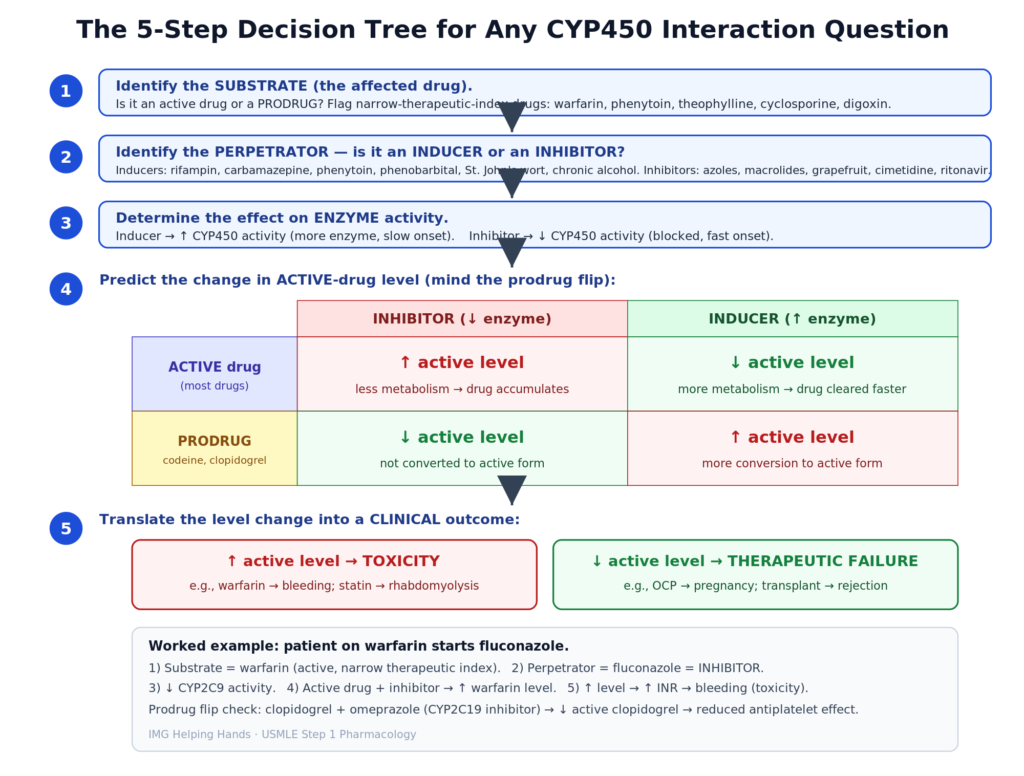
Figure 5. The five step decision tree for solving any CYP450 interaction question.
A linear version you can sketch on your whiteboard in the test center tutorial.
| Step | Question to ask | If yes | If no |
|---|---|---|---|
| Start | Is a drug being added or stopped? | Continue | No interaction expected |
| 1 | Is the new agent an inducer? | Substrate level falls | Go to step 2 |
| 2 | Is the new agent an inhibitor? | Substrate level rises | Likely no CYP effect |
| 3 | Is the affected drug a prodrug? | Flip: induce equals more effect, inhibit equals less | Keep the standard direction |
| 4 | Is it a narrow therapeutic index drug? | Expect a clinically dangerous outcome | Effect may be mild |
| 5 | What is the time frame in the stem? | Fast equals inhibition, slow equals induction | Use other clues |
Pro tip Anchor on the narrow therapeutic index drugs (Warfarin, Theophylline, Cyclosporine, Tacrolimus, Digoxin, Phenytoin, Lithium). The exam concentrates interactions on these because they cause visible harm.
Every high yield interaction in one place. Read the reasoning column, because that is what lets you solve unseen variants rather than memorizing pairs.
| Agent (trigger) | Action on CYP | Drug affected | Net result | Reasoning |
|---|---|---|---|---|
| Rifampin | Strong inducer (3A4, 2C9, 2C19, others) | Warfarin, OCPs, Cyclosporine, Methadone, HIV drugs | Loss of efficacy | More enzyme made, faster clearance, subtherapeutic levels |
| Carbamazepine | Inducer (and autoinducer) | Warfarin, OCPs, itself, other antiepileptics | Loss of efficacy | Induces its own metabolism, so levels drop over weeks |
| Phenytoin | Inducer | Warfarin, OCPs, Quinidine | Loss of efficacy | Classic enzyme inducer; lowers partner drug levels |
| Phenobarbital | Inducer | Warfarin, OCPs, many drugs | Loss of efficacy | Prototype barbiturate inducer; also induces UGT |
| St. John’s wort | Inducer (3A4) | OCPs, Cyclosporine, Indinavir, Warfarin | Loss of efficacy | Herbal PXR activator; causes transplant rejection and pregnancy |
| Griseofulvin | Inducer | OCPs, Warfarin | Loss of efficacy | Antifungal inducer; contraceptive failure |
| Smoking (tar) | Inducer (1A2) | Theophylline, Clozapine, Olanzapine | Loss of efficacy while smoking | Combustion products induce 1A2; quitting reverses it |
| Chronic alcohol | Inducer (2E1) | Acetaminophen | More NAPQI, hepatotoxicity | Induces 2E1, increasing the toxic metabolite |
| Azole antifungals | Strong inhibitor (3A4, 2C9) | Statins, Warfarin, Cyclosporine, Tacrolimus | Toxicity | Block metabolism, levels rise (rhabdomyolysis, bleeding) |
| Macrolides (Clarithromycin, Erythromycin) | Inhibitor (3A4) | Statins, Warfarin, Theophylline | Toxicity | Azithromycin is the safe exception, does not inhibit |
| Protease inhibitors (Ritonavir) | Strong inhibitor (3A4) | Statins, many drugs | Toxicity (or intentional boosting) | Sometimes used deliberately to raise partner drug level |
| Grapefruit juice | Inhibitor (gut 3A4) | Statins, CCBs, Cyclosporine | Toxicity | Blocks intestinal first pass, raises bioavailability |
| Cimetidine | Inhibitor (broad) | Warfarin, Theophylline, Phenytoin | Toxicity | H2 blocker that inhibits several CYPs; Famotidine is safer |
| Isoniazid | Inhibitor (also a 2E1 inducer) | Phenytoin, Carbamazepine | Toxicity | Raises Phenytoin level; complex dual behavior |
| Amiodarone | Inhibitor (2C9, others) | Warfarin, Digoxin, statins | Toxicity | Raises INR; also raises Digoxin by transport effects |
| Omeprazole, Esomeprazole | Inhibitor (2C19) | Clopidogrel (prodrug) | Reduced antiplatelet effect | Blocks activation; prefer Famotidine instead |
| Fluoxetine, Paroxetine | Inhibitor (2D6) | TCAs, Tamoxifen (prodrug) | Toxicity or lost efficacy | Raises TCA level; lowers Tamoxifen activation |
| Fluvoxamine | Inhibitor (1A2) | Theophylline, Clozapine | Toxicity | Strong 1A2 inhibitor, opposite of smoking |
| Ciprofloxacin | Inhibitor (1A2) | Theophylline, Tizanidine | Toxicity (seizures) | Fluoroquinolone raises Theophylline toward toxicity |
| Acute alcohol | Inhibitor (2E1) | Other 2E1 substrates | Higher levels acutely | Competes for the enzyme during intoxication |
Digoxin note: Digoxin is not primarily a CYP450 substrate; its key interactions run through P glycoprotein and renal clearance. Amiodarone, Verapamil, and Quinidine raise Digoxin levels by inhibiting P glycoprotein transport. The exam includes it here to test whether you know the mechanism is transport, not CYP metabolism.
These are learning aids, not official nomenclature. Use whichever sticks. We give the widely used classics plus original IMGHH versions built around clinical scenes.
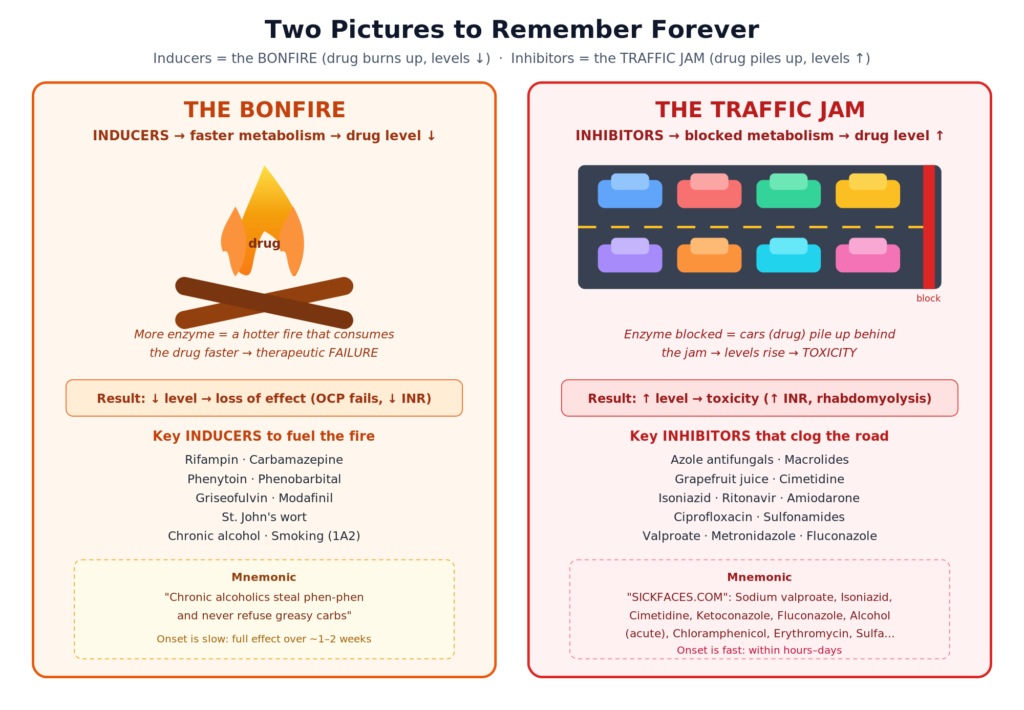
Classic mnemonic, often written as Chronic alcoholics Steal Phen Phen and Never Refuse Greasy Carbamazepine: Chronic alcohol, St. John’s wort, Phenytoin, Phenobarbital, Nevirapine, Rifampin, Griseofulvin, Carbamazepine.
IMGHH original (the Bonfire image) Picture a roaring bonfire that burns drugs up fast. Feeding the fire: Rifampin (the firestarter), a Phen Phen bundle of Phenytoin and Phenobarbital, a Carbamazepine log, a bottle of chronic alcohol splashed on, St. John’s wort tossed in, and cigarette smoke rising. A bigger fire clears drugs faster, so levels fall. Burn it down, level goes down.
Classic mnemonic SICKFACES.COM: Sodium Valproate, Isoniazid, Cimetidine, Ketoconazole, Fluconazole, Acute alcohol, Chloramphenicol, Erythromycin (and Clarithromycin), Sulfonamides, Ciprofloxacin, Omeprazole, Metronidazole. Add Grapefruit, Amiodarone, and Ritonavir to round it out.
IMGHH original (the Traffic Jam image) Inhibitors are a roadblock. Imagine a Grapefruit truck crashed across the highway with an Azole antifungal van and a Clarithromycin bus stuck behind it. Nothing clears, so drug traffic backs up and levels rise to toxicity. Block the road, level goes up.
Mnemonic A WET CoP: Antiepileptics, Warfarin, Estrogens (OCPs), Theophylline, Cyclosporine, and other immunosuppressants, Protease inhibitors. These are the drugs where a CYP shift causes visible harm.
Remember the prodrug short list as Clean Cars Take Long: Clopidogrel, Codeine, Tamoxifen, Losartan (plus many ACE inhibitors that are esterase activated, and Valacyclovir). For these, an inhibitor reduces effect and an inducer increases effect.
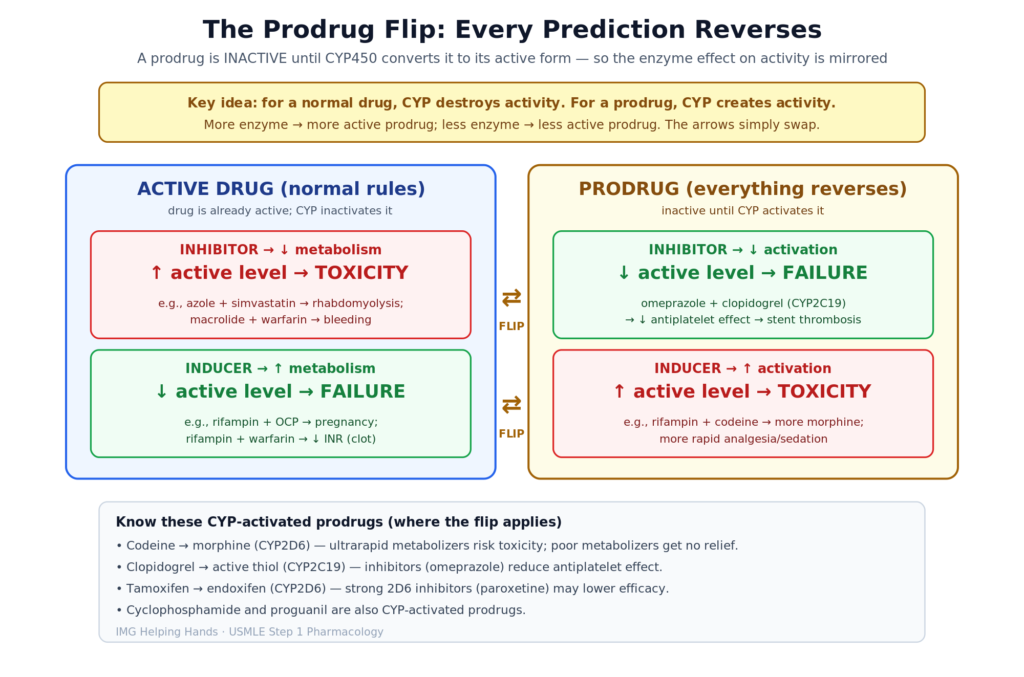
Figure 6. The prodrug flip. For an activated prodrug, every prediction reverses.
One line to keep straight For an ordinary active drug: inhibitor equals toxicity, inducer equals failure. For a prodrug: inhibitor equals failure, inducer equals toxicity. The verb to remember is activate. If CYP activates the drug, every prediction flips.
Six core diagrams are already embedded in this guide: the metabolism map (Figure 1), the inducer versus inhibitor contrast (Figure 2), the concentration curves (Figure 3), the pharmacokinetic timeline (Figure 4), the decision tree (Figure 5), and the prodrug flip (Figure 6). The briefs below are additional visuals your design team can build to round out the set, each tied to a learning goal.
These are the predictable ways Step 1 turns a known fact into a wrong answer. Recognize the pattern and you neutralize the trap.
Get an honest read on your prep from mentors who’ve matched as IMGs, and a plan built around your weak areas.
Layered for whatever time you have left, from a full cheat sheet down to a one minute scan.
The single contrast that powers most questions.
| Inducer | Inhibitor | |
|---|---|---|
| Enzyme amount or activity | More enzyme | Less activity |
| Drug level | Down | Up |
| Speed | Slow (days to weeks) | Fast (hours to days) |
| Normal drug outcome | Treatment failure | Toxicity |
| Prodrug outcome | More effect | Less effect |
CYP450 is liver phase I oxidation. Inducers (Rifampin and the antiepileptics, St. John’s wort, smoking, chronic alcohol) add enzymes slowly and drop drug levels into failure. Inhibitors (azoles, macrolides except Azithromycin, grapefruit, Cimetidine, Amiodarone, acute alcohol) block enzymes fast and push levels into toxicity. Prodrugs (Clopidogrel, Codeine, Tamoxifen) reverse the logic. Anchor every prediction on narrow therapeutic index drugs.
If you read nothing else:
Inhibit equals toxIc (up). Induce equals reDuce (down). Slow induction, fast inhibition. Prodrugs flip. Azithromycin and Famotidine are the safe ones. Grapefruit and azoles raise statin and immunosuppressant levels. Smoking and Rifampin lower levels. Acute alcohol inhibits, chronic alcohol induces.
official Free 120 questions written in the exam style. Answers, full explanations, distractor analysis, and a learning point follow each one. Cover the answer and reason it out using the Section 5 algorithm first.
A 28 year old woman with epilepsy that has been well controlled on Carbamazepine for three years presents with a positive pregnancy test three weeks after starting a new combined oral contraceptive. She reports perfect adherence to both medications, and a serum Estradiol level is lower than expected for her cycle phase. Which of the following best explains the contraceptive failure?
A. Carbamazepine inhibits CYP3A4, increasing estrogen clearance
B. Carbamazepine displaces the hormones from plasma proteins
C. Carbamazepine induces CYP3A4, lowering contraceptive hormone levels
D. The contraceptive induced Carbamazepine metabolism
E. Carbamazepine reduces intestinal absorption of the hormones
Answer: C
Explanation: Carbamazepine is a classic CYP3A4 inducer and an autoinducer. Over two to three weeks it increases enzyme synthesis, accelerating metabolism of the estrogen and progestin, dropping hormone levels below the contraceptive threshold and allowing ovulation. The low Estradiol supports increased clearance.
Why the others are wrong: Option A names the right enzyme but the wrong direction; induction increases clearance, it does not inhibit. B (protein displacement) and E (absorption) are not the operative mechanisms. D reverses the interaction.
Key learning point: Inducer plus oral contraceptive over weeks equals contraceptive failure. Counsel a backup method or a higher estrogen dose.
A 66 year old man with atrial fibrillation on Warfarin (baseline INR 2.4) develops community acquired pneumonia and is started on Clarithromycin. Four days later his INR is 8.1 with gingival bleeding. Warfarin is held and vitamin K is given. Which alternative antibiotic would most likely have avoided this interaction?
A. Erythromycin
B. Ciprofloxacin
C. Metronidazole
D. Azithromycin
E. Trimethoprim with Sulfamethoxazole
Answer: D
Explanation: The INR spike reflects CYP inhibition reducing Warfarin clearance. Azithromycin is the macrolide that does not meaningfully inhibit CYP3A4, so it is the safe choice that would have avoided the interaction.
Why the others are wrong: Erythromycin (A) inhibits CYP3A4 just like Clarithromycin. Metronidazole (C) and Trimethoprim with Sulfamethoxazole (E) inhibit CYP2C9 and strongly raise INR. Ciprofloxacin (B) inhibits CYP1A2 and also potentiates Warfarin. Only Azithromycin is safe.
Key learning point: Azithromycin is the macrolide exception. Knowing the safe member of a class is frequently the answer.
A 59 year old man is seen two weeks after placement of a drug eluting coronary stent. He takes Aspirin and Clopidogrel and now reports burning epigastric pain consistent with reflux. To minimize interference with his antiplatelet therapy, which agent for acid suppression is most appropriate?
A. Famotidine
B. Omeprazole
C. Esomeprazole
D. Cimetidine
E. Lansoprazole at a doubled dose
Answer: A
Explanation: Clopidogrel is a prodrug activated by CYP2C19. Omeprazole and Esomeprazole inhibit CYP2C19 and reduce its activation, and Cimetidine is a broad CYP inhibitor. Famotidine is an H2 blocker that does not meaningfully inhibit CYP2C19, so it is preferred, consistent with FDA guidance.
Why the others are wrong: Omeprazole (B) and Esomeprazole (C) are the exact inhibitors to avoid. Cimetidine (D) inhibits several CYPs. Raising the dose of a proton pump inhibitor (E) worsens, not helps, the interaction.
Key learning point: Prodrug plus inhibitor equals lost efficacy. Choose Famotidine over a proton pump inhibitor for a Clopidogrel patient.
A 45 year old man with schizophrenia stable on Clozapine is hospitalized three days after stopping smoking during an unrelated admission. He is now sedated and hypersalivating, and a Clozapine level is markedly elevated. Which of the following best explains the rise in his Clozapine level?
A. Nicotine withdrawal directly elevates Clozapine
B. Smoking cessation induces CYP1A2
C. Clozapine has begun to inhibit its own metabolism
D. New renal impairment reduced Clozapine clearance
E. Loss of CYP1A2 induction reduced Clozapine clearance
Answer: E
Explanation: Polycyclic aromatic hydrocarbons in cigarette smoke induce CYP1A2. When the patient stops smoking, that induction fades over a few days, CYP1A2 activity falls, Clozapine clearance drops, and levels climb toward toxicity.
Why the others are wrong: Nicotine (A) is not the inducer; the combustion products are. B is backwards: smoking induces, quitting removes induction. C is not a Clozapine feature. D is not supported and Clozapine is hepatically cleared, not renally.
Key learning point: Quitting smoking acts like a CYP1A2 inhibitor. Clozapine and Theophylline doses often need to be reduced.
A 50 year old woman started on Itraconazole for onychomycosis returns two weeks later with severe diffuse myalgias, dark urine, and a creatine kinase of 9,800 U per liter. She has taken Simvastatin for two years without problems. Which mechanism best accounts for her presentation?
A. Itraconazole induced CYP3A4, lowering Simvastatin levels
B. Itraconazole inhibited CYP3A4, raising Simvastatin levels
C. Simvastatin induced Itraconazole metabolism
D. Direct Itraconazole nephrotoxicity
E. Statin induced hypothyroidism
Answer: B
Explanation: Azole antifungals strongly inhibit CYP3A4. Simvastatin, which depends heavily on CYP3A4, accumulates, and the high creatine kinase with dark urine signals rhabdomyolysis.
Why the others are wrong: A states the wrong direction. C reverses the interaction. D and E do not explain a creatine kinase near 10,000 with myalgia. The picture is classic statin myopathy from inhibition.
Key learning point: Azole plus a CYP3A4 metabolized statin equals rhabdomyolysis risk. Pravastatin and Rosuvastatin are less CYP3A4 dependent.
A 38 year old man with HIV maintained on a Ritonavir boosted protease inhibitor regimen has had an undetectable viral load for a year. Four weeks after starting an over the counter herbal product for low mood, his viral load is now detectable and rising. Which product and mechanism is most likely responsible?
A. Ginkgo biloba causing a platelet effect
B. Echinacea causing immune stimulation
C. Saw palmetto causing a hormonal effect
D. St. John’s wort inducing CYP3A4 and lowering drug levels
E. Valerian root causing sedation
Answer: D
Explanation: St. John’s wort is a potent CYP3A4 inducer through activation of the nuclear receptor PXR. It accelerates metabolism of the protease inhibitor, lowering levels and allowing viral rebound and emerging resistance.
Why the others are wrong: Ginkgo (A), echinacea (B), saw palmetto (C), and valerian (E) do not produce clinically important CYP3A4 induction of protease inhibitors. The mood indication is the clue pointing to St. John’s wort.
Key learning point: St. John’s wort causes transplant rejection, contraceptive failure, and HIV treatment failure through induction.
A 24 year old man with several months of heavy daily alcohol use ingests an amount of Acetaminophen usually considered within the safe range and develops acute hepatotoxicity. Compared with a person who does not drink, which mechanism best explains his increased susceptibility?
A. Acute alcohol inhibited Acetaminophen metabolism
B. Alcohol depleted hepatic glycogen stores
C. Chronic alcohol induced CYP2E1, increasing NAPQI formation
D. Malnutrition is the sole cause of toxicity
E. Acetaminophen and alcohol share no metabolic pathway
Answer: C
Explanation: Chronic alcohol induces CYP2E1, which converts more Acetaminophen to the toxic metabolite NAPQI. Combined with the Glutathione depletion of chronic use, this lowers the dose at which hepatotoxicity occurs.
Why the others are wrong: A describes acute, not chronic, alcohol and the wrong direction here. B is not the key mechanism. D overstates malnutrition, which contributes but is not the primary CYP effect tested. E is false; both involve CYP2E1.
Key learning point: Chronic alcohol plus Acetaminophen equals increased NAPQI. Acute alcohol would instead compete and inhibit.
A 70 year old woman with COPD maintained on Theophylline is started on Ciprofloxacin for a urinary tract infection. Three days later she develops nausea, a tachyarrhythmia, and then a generalized tonic clonic seizure. Which of the following best explains this presentation?
A. Ciprofloxacin inhibited CYP1A2, raising Theophylline to toxic levels
B. Ciprofloxacin induced CYP1A2, lowering Theophylline
C. Theophylline independently caused the seizure with no interaction
D. Ciprofloxacin produced hypoglycemia
E. The patient had an acute ischemic stroke
Answer: A
Explanation: Ciprofloxacin inhibits CYP1A2, the main enzyme that clears Theophylline. Theophylline has a narrow therapeutic index, so accumulation produces nausea, arrhythmia, and seizures within days.
Why the others are wrong: B is the wrong direction. C ignores the clear temporal link to the new antibiotic. D and E are not supported by the vignette and do not fit the Theophylline toxicity syndrome.
Key learning point: Theophylline toxicity is a high yield CYP1A2 inhibition scenario. Levofloxacin has much less effect on CYP1A2.
A postoperative patient who is known to be a CYP2D6 poor metabolizer reports no pain relief from Codeine despite repeated adequate doses. Which of the following best explains the lack of analgesia?
A. The Codeine dose is subtherapeutic for everyone
B. Poor metabolizers convert excess Codeine to Morphine
C. Codeine is metabolized only by CYP3A4
D. The patient has developed opioid tolerance
E. Poor metabolizers cannot convert Codeine to Morphine via CYP2D6
Answer: E
Explanation: Codeine is a prodrug that requires CYP2D6 to form Morphine, the active analgesic. Poor metabolizers form little Morphine and so get inadequate analgesia. Ultrarapid metabolizers face the opposite risk of opioid toxicity.
Why the others are wrong: A and D are not supported by the stem. B describes the ultrarapid, not the poor, metabolizer. C is incorrect because CYP2D6, not CYP3A4, performs the key activation.
Key learning point: Genotype changes prodrug response. Same dose, very different effect across CYP2D6 phenotypes.
A renal transplant recipient stable on Cyclosporine is started on Rifampin after testing positive for latent tuberculosis. Two weeks later he has a rising creatinine, a subtherapeutic Cyclosporine trough, and a biopsy showing acute cellular rejection. Which mechanism best explains this course?
A. Rifampin inhibited CYP3A4, raising Cyclosporine levels
B. Rifampin induced CYP3A4, lowering Cyclosporine below the therapeutic range
C. Cyclosporine began inducing its own metabolism
D. Rifampin directly caused the rejection by immune stimulation
E. The graft failed by chance unrelated to the medication
Answer: B
Explanation: Rifampin is a potent CYP3A4 inducer. Cyclosporine levels fall over one to two weeks, immunosuppression becomes inadequate, and rejection follows. The subtherapeutic trough confirms increased clearance.
Why the others are wrong: A states the wrong direction. C is not a Cyclosporine property. D and E do not explain the documented subtherapeutic level that ties the rejection to drug clearance.
Key learning point: Inducer plus immunosuppressant equals rejection. Rifabutin is sometimes substituted to lessen this effect in transplant patients.
Answer key: 1 C, 2 D, 3 A, 4 E, 5 B, 6 D, 7 C, 8 A, 9 E, 10 B.
Direct answers to the questions students actually search. Each is written to stand alone for answer engines, so they can also seed your FAQ schema.
A: An inducer increases enzyme production so drugs clear faster and levels fall, risking treatment failure. An inhibitor blocks enzyme activity so drugs clear slower and levels rise, risking toxicity.
A: Inducers decrease the level of the drug being metabolized because more enzyme means faster clearance. The memory cue induced equals reduce.
A: Inhibitors increase the level of the drug being metabolized because less enzyme activity means slower clearance, which can cause toxicity.
A: Induction requires the cell to transcribe and translate new enzyme protein, which takes days to weeks. Inhibition blocks enzymes that already exist, so the effect appears within hours to a few days.
A: Effects persist for several days to about two weeks because the extra enzyme must be degraded before metabolism returns to baseline.
A: CYP3A4 metabolizes the largest share of clinically used drugs and is present in both the liver and the intestinal wall.
A: Grapefruit juice inhibits intestinal CYP3A4, reducing first pass metabolism and raising the bioavailability of drugs like certain statins, calcium channel blockers, and Cyclosporine.
A: Rifampin strongly induces the enzymes that metabolize estrogen and progestin, lowering hormone levels below the contraceptive threshold and allowing ovulation.
A: CYP2C19 converts Clopidogrel from its inactive prodrug form into the active antiplatelet metabolite.
A: Omeprazole inhibits CYP2C19, reducing activation of Clopidogrel and weakening its antiplatelet effect. An H2 blocker such as Famotidine is preferred.
A: CYP1A2 induction fades, Theophylline clearance falls, and levels can rise into the toxic range, sometimes causing seizures.
A: No. The tar and polycyclic aromatic hydrocarbons from combustion induce CYP1A2, not Nicotine, so Nicotine replacement does not cause the same effect.
A: Acute alcohol inhibits CYP2E1 by competing for it, while chronic alcohol induces CYP2E1, which is why chronic use increases Acetaminophen toxicity.
A: Induced CYP2E1 converts more Acetaminophen into the toxic metabolite NAPQI, depleting Glutathione and damaging the liver at lower doses.
A: Azithromycin does not meaningfully inhibit CYP3A4, unlike Clarithromycin and Erythromycin, so it is the safer macrolide.
A: A prodrug is inactive until CYP450 converts it to its active form. Because activation depends on the enzyme, an inhibitor reduces effect and an inducer increases effect, the reverse of the usual pattern.
A: Clopidogrel (2C19), Codeine and Tramadol (2D6), and Tamoxifen (2D6) are the most tested. Losartan is partly activated by CYP2C9 and CYP3A4.
A: It is highly polymorphic, so poor and ultrarapid metabolizers respond very differently to its substrates, including Codeine and many antidepressants.
A: Warfarin, Theophylline, Cyclosporine, Tacrolimus, Phenytoin, and Digoxin are the usual targets because small shifts cause visible harm.
A: Not primarily. Digoxin interactions run mainly through P glycoprotein and renal clearance; Amiodarone, Verapamil, and Quinidine raise Digoxin by inhibiting transport.
A: Cimetidine inhibits several CYP enzymes and can raise levels of Warfarin, Theophylline, and Phenytoin. Famotidine is the safer H2 blocker.
A: Isoniazid inhibits several CYP enzymes (raising Phenytoin, for example) while also inducing CYP2E1, giving it a mixed profile.
A: Ritonavir strongly inhibits CYP3A4, so it is added deliberately to boost levels of partner antivirals, a planned interaction rather than an error.
A: Autoinduction is when a drug induces the enzymes that metabolize it, so its own levels fall over time. Carbamazepine is the classic example.
A: Learn the one sentence rule (inducers down, inhibitors up), memorize the inducer and inhibitor lists with a mnemonic, master the prodrug flip, and practice timing based vignettes using a fixed five step algorithm.
A: No. Mnemonics like the Bonfire and Traffic Jam images are learning tools to aid recall, not formal nomenclature. Always anchor them to the underlying mechanism.
Educational note: This article is for medical education and USMLE preparation. Mnemonics and memory images are study aids, not official nomenclature, and clinical decisions should follow current guidelines and primary references such as FDA labeling, NIH resources, Goodman and Gilman, and Katzung.
A final tightening of the core idea so it survives test day stress.
Everything in this guide reduces to one habit of mind. When a drug is added or removed, ask whether it induces or inhibits the relevant CYP enzyme, predict whether the partner drug goes up or down, check for the prodrug flip, and read the outcome as efficacy lost or toxicity gained. Layer in timing (fast points to inhibition, slow to induction) and focus on narrow therapeutic index drugs, and most CYP450 vignettes resolve to a single best answer without rote pair memorization.
That shift, from memorizing lists to reasoning through mechanisms, is exactly what separates a guessed answer from a confident one. Build the reflex now and CYP450 questions become some of the most reliable points on Step 1.
This guide reflects how IMG Helping Hands teaches with its Ultimate Integrated Teaching approach, concept first, clinically anchored, visually intuitive, and built for recall under pressure. If reasoning through that Rifampin and Warfarin vignette felt clearer than rote memorizing ever did, that is the method working.
IMG HELPING HANDS – UIT USMLE STEP 1 PROGRAM
Induce equals reduce. Inhibit equals toxicity. Prodrugs flip. One small framework just resolved a dozen drug-interaction vignettes without rote pair memorization, and that’s the entire UIT method: concept first, mechanism second, clinical application third, anchored with visual memory so it holds under exam pressure.
The same reasoning that made the Rifampin and Warfarin cases obvious runs through every high-yield system on Step 1. UIT crash courses teach pharmacology, pathology, microbiology, and physiology this way, live, mapped to First Aid, and built specifically for IMGs.
Pattern-based teaching. Mechanism-first reasoning. FA-mapped structure. Live IMG mentorship from doctors who’ve matched.
Learn the mechanism once. Reason through every vignette.
Primary sources behind the cited claims, plus the standard concept references this guide is built on. Numbers match the superscript markers in the text.
1. FDA. PLAVIX (Clopidogrel) prescribing information, including the warning that CYP2C19 poor metabolizers and CYP2C19 inhibitors such as Omeprazole reduce effectiveness. https://www.accessdata.fda.gov/drugsatfda_docs/label/2022/020839s078lbl.pdf
1b. VA Pharmacy Benefits Management. Clopidogrel and Omeprazole drug interaction review. https://www.va.gov/formularyadvisor/DOC_PDF/CRE_Clopidogrel_and_Omeprazole_Drug_Interaction_Rev_Feb_2024.pdf
2. FDA Drug Development and Drug Interactions. Rifampin is classified as a strong inducer of multiple CYP enzymes. https://www.fda.gov/drugs/drug-interactions-labeling/drug-development-and-drug-interactions-table-substrates-inhibitors-and-inducers
3. FDA Consumer Update. Grapefruit juice and some medicines do not mix (intestinal CYP3A4 inhibition and increased bioavailability). https://www.fda.gov/consumers/consumer-updates/grapefruit-juice-and-some-medicines-dont-mix
4. NIH LiverTox: Clinical and Research Information on Drug Induced Liver Injury. Acetaminophen hepatotoxicity, CYP2E1, NAPQI, and the role of chronic alcohol. https://www.ncbi.nlm.nih.gov/books/NBK547852/
5. Peer reviewed pharmacology literature indexed in PubMed on tobacco smoke as an inducer of CYP1A2 and its effect on Theophylline and Clozapine clearance. https://pubmed.ncbi.nlm.nih.gov/
6. FDA. Table of Substrates, Inhibitors and Inducers (basis for the enzyme assignments in the master tables). https://www.fda.gov/drugs/drug-interactions-labeling/drug-development-and-drug-interactions-table-substrates-inhibitors-and-inducers
Articles published by IMG Helping Hands are prepared by our team using information from direct experience, publicly available resources, and educational references. AI tools may be used to assist with drafting, proofreading, and formatting; however, all content undergoes review and approval before publication.
The information provided is intended for educational purposes only. Requirements, policies, and processes may change over time. Readers should consult official sources for the most current information.