
A high yield, exam first Step 1 masterclass: the vitamin, the buzzword, the lab, and the mnemonic that makes the pattern click.
| KEY TAKEAWAYS (MEMORIZE THESE ONE LINERS) • Water-soluble vitamins (B-complex + C) aren’t stored and deficiency appears fast: fat-soluble vitamins A, D, E, K are stored and their deficiency follows fat malabsorption. • Thiamine (B1) deficiency causes Wernicke-Korsakoff (confusion, ophthalmoplegia, ataxia) and beriberi. Niacin (B3) deficiency causes pellagra: the 3 D’s: dermatitis, diarrhea, dementia, and is linked to Hartnup disease, carcinoid syndrome, and isoniazid. • B12 and folate both cause macrocytic (megaloblastic) anemia, but only B12 deficiency raises methylmalonic acid and causes neurologic signs. • Vitamin C deficiency = scurvy: corkscrew hairs, bleeding gums, poor wound healing. • Vitamin K drives gamma-carboxylation of clotting factors II, VII, IX, X, deficiency causes bleeding with a prolonged PT. • Vitamin A deficiency causes night blindness, Bitot’s spots, and keratomalacia, vitamin D deficiency causes rickets and osteomalacia. |
High yield vitamin deficiencies are a essentially USMLE Step 1 favourite because the exam can hide an entire biochemistry concept behind a single physical sign, corkscrew hairs, a cracked lip, a confused alcoholic, and reward the student who reads the pattern instantly.
The current Step 1 blueprint continues to emphasize nutrition in clinical context, a trend some describe as the 2026 USMLE nutrition enhancement, so deficiency pattern recognition is core material, not a peripheral afterthought. (Always confirm specifics against the official USMLE content outline.) Learn the buzzword to vitamin reflex and you bank these points in seconds.
| WHY IMGS GET THIS WRONG They memorize vitamins as a list of numbers without locking each to its one signature deficiency, so B2, B3, and B6 blur together. They treat B12 and folate as interchangeable and forget that only B12 causes neurologic signs and raises methylmalonic acid.They forget the secondary causes: the exam loves, Hartnup, carcinoid, and isoniazid for niacin, isoniazid for B6. |
Before any single vitamin, get the split. Water-soluble vitamins: the B-complex plus vitamin C, dissolve in water, aren’t stored (B12 is the exception), and wash out in urine, so deficiency shows up quickly and toxicity is rare. Fat-soluble vitamins A, D, E, K are stored in liver and fat, are absorbed with dietary fat and bile, and can accumulate to toxic levels.
This single distinction predicts behaviour. Any condition that impairs fat absorption: cystic fibrosis, celiac disease, cholestasis, tends to knock out all of A, D, E, and K together. The figure below is the mental model to carry into every question.
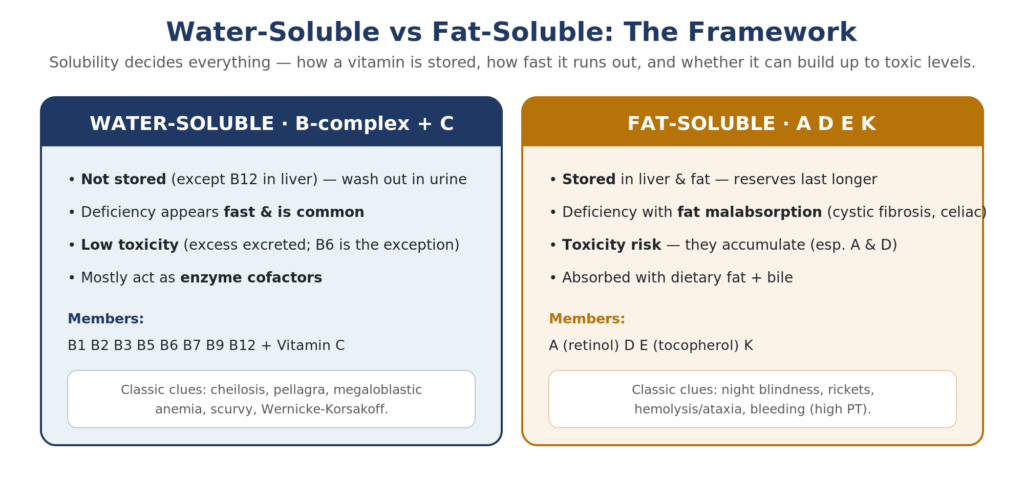
Figure 1. Solubility predicts storage, speed of deficiency, and toxicity risk.
The B vitamins are where numbers, names, and syndromes get tangled. Anchor each number to its one classic deficiency using the ladder below, then read the short story for each.
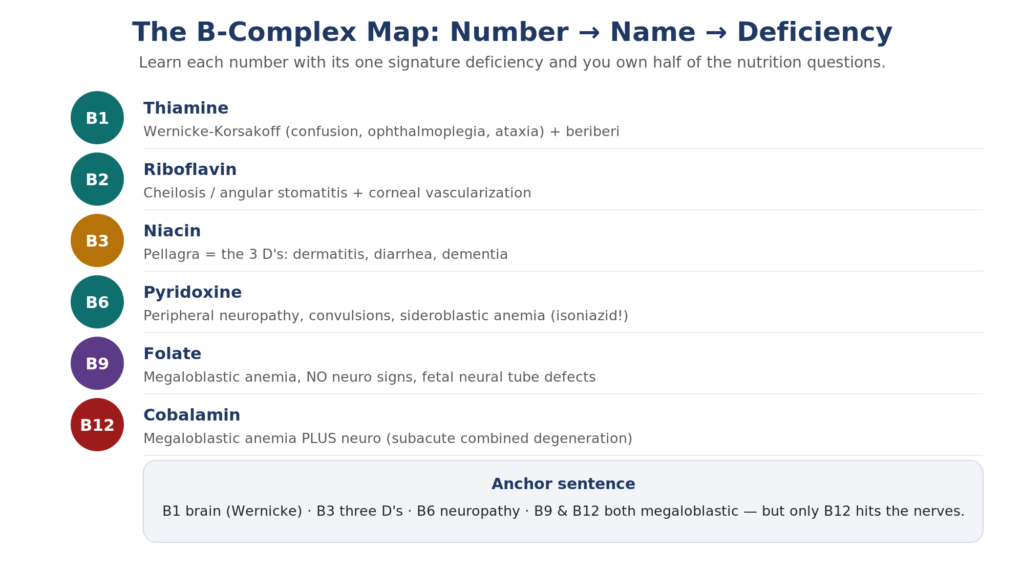
Figure 2. Number to name to deficiency, the map that untangles the B-complex.
Picture a confused, unsteady alcoholic with abnormal eye movements. That triad: confusion, ophthalmoplegia, ataxia, is Wernicke encephalopathy from thiamine deficiency, add memory loss with confabulation and it becomes irreversible Korsakoff syndrome.
Thiamine is a cofactor for pyruvate dehydrogenase and α-ketoglutarate dehydrogenase, so its loss starves the brain of ATP. The other face of deficiency is beriberi, ‘wet’ (high output heart failure) and ‘dry’ (peripheral neuropathy).
| EXAM TRAP Give thiamine before glucose in a malnourished or alcoholic patient. A glucose load without thiamine can precipitate acute Wernicke encephalopathy. |
| MNEMONICB1 = Brain first. Wernicke’s triad = COA: Confusion, Ophthalmoplegia, Ataxia. Thiamine → Thinking. |
Riboflavin deficiency shows up in the mouth and eyes: cheilosis and angular stomatitis (cracked, inflamed lip corners), glossitis, and corneal vascularization. Riboflavin is the backbone of FAD and FMN, so it sits at the heart of the electron transport chain.
| MNEMONICB2 = 2 by the mouth: cheilosis + corneal vascularization. Riboflavin → FAD/FMN (the ‘2’ flavins). |
Niacin deficiency causes pellagra: the 3 D’s: dermatitis, diarrhea, dementia (a fourth D, death, if untreated). The dermatitis is classically photosensitive, on sun exposed skin. Niacin (as NAD/NADP) can be made from tryptophan, which is why the exam tests three secondary causes: Hartnup disease (defective neutral amino acid transport → low tryptophan), carcinoid syndrome (tryptophan diverted to serotonin), and isoniazid (depletes B6, which is needed to make niacin from tryptophan).
Know the flip side too: high dose niacin is used to treat dyslipidemia (raises HDL, lowers LDL/VLDL) and classically causes prostaglandin mediated facial flushing, blunted by pretreatment with aspirin, plus hyperglycemia and hyperuricemia.
| PATTERN NBME TESTS EVERY TIME Pellagra without dietary cause → look for Hartnup, carcinoid, or isoniazid.Carcinoid also brings flushing and diarrhea from serotonin.Hartnup is the child with a pellagra-like rash and neutral aminoaciduria. |
| MNEMONICB3 → 3 D’s: Dermatitis, Diarrhea, Dementia. Three secondary causes to memorize: Hartnup, Carcinoid, Isoniazid. |
B6 (pyridoxine) is a cofactor for transamination, decarboxylation, and heme synthesis, making it essential in amino acid disorders and their enzyme blocks. Deficiency causes peripheral neuropathy, convulsions, and sideroblastic anemia. The classic trigger is isoniazid, which depletes B6, so patients on isoniazid are given supplemental pyridoxine.
| MNEMONICB6 + isoniazid = give pyridoxine. Deficiency: neuropathy + seizures + sideroblastic anemia (B6 builds heme). |
Both folate (B9) and cobalamin (B12) are needed for DNA synthesis, so deficiency of either produces macrocytic (megaloblastic) anemia with hypersegmented neutrophils. Folate deficiency develops within months (poor diet, pregnancy, methotrexate) and, crucially, causes fetal neural tube defects, which is why folate is supplemented before and during early pregnancy.
B12 deficiency is the dangerous one: it also causes neurologic disease (subacute combined degeneration) and takes years to develop because B12 is stored in the liver. Causes include pernicious anemia, strict vegan diets, and terminal ileal disease. Mechanistically, B12 deficiency traps folate as methyl-tetrahydrofolate: the folate trap, so both deficiencies converge on impaired DNA synthesis and megaloblastic anemia, but only B12 loss lets methylmalonyl-CoA build up and damage myelin, which is why the neuro signs are unique to B12. The two labs that separate them are below.
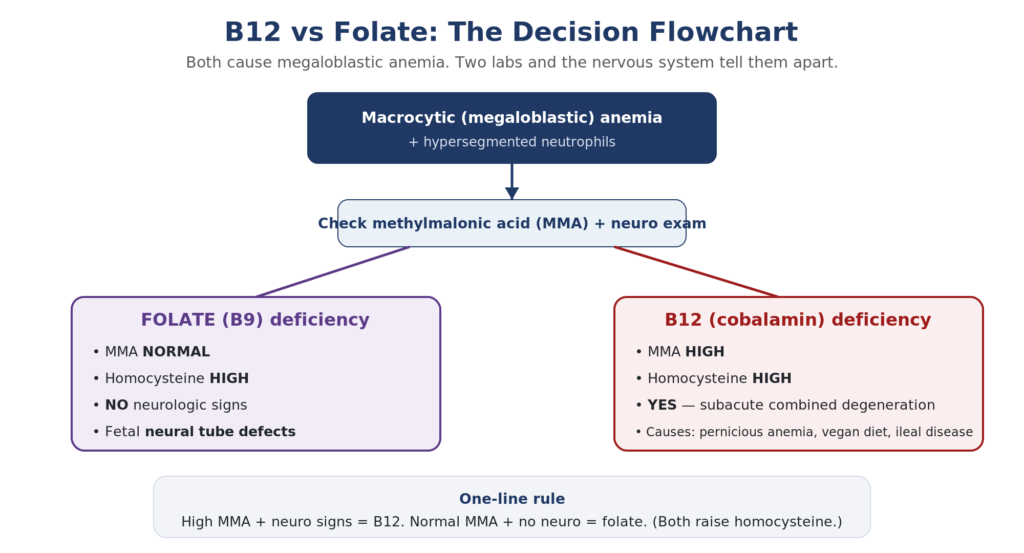
Figure 3. Methylmalonic acid and neurologic signs separate B12 from folate deficiency.
| EXAM TRAP Both raise homocysteine, but only B12 deficiency raises methylmalonic acid and causes neuro signs. Giving folate alone can correct the anemia while the B12 neuropathy silently progresses. |
| TWO LOWER YIELD B’S WORTH A LINE B5 (pantothenate) builds coenzyme A, deficiency is rare and shows dermatitis and enteritis.B7 (biotin) is a carboxylase cofactor, deficiency causes dermatitis and alopecia and is classically induced by eating raw egg whites (avidin binds biotin). |
Vitamin C deficiency is scurvy. Vitamin C is the cofactor that hydroxylates proline and lysine during collagen synthesis, so without it collagen is weak, producing corkscrew hairs, perifollicular hemorrhages, bleeding swollen gums, poor wound healing, and easy bruising. Vitamin C also boosts iron absorption and acts as an antioxidant.
| MNEMONICC = Collagen. Weak collagen → corkscrew hairs, bleeding gums, bad healing. Scurvy = the sailor’s disease. |
These four travel and store together, so fat malabsorption hits them as a group. Each still has its own signature deficiency.
Vitamin A is essential for the visual pigment rhodopsin and for epithelial integrity. Deficiency causes night blindness first, then Bitot’s spots (foamy patches on the conjunctiva), xerophthalmia, and keratomalacia (corneal softening), a leading cause of preventable childhood blindness worldwide. Two more testable angles: all-trans retinoic acid (ATRA) is used to treat acute promyelocytic leukemia (APL, M3), and vitamin A is given in measles. The flip side is toxicity, pseudotumor cerebri, hepatotoxicity, dry skin, and severe teratogenicity (the reason isotretinoin for acne demands strict pregnancy precautions).
| MNEMONICA = eyes (And skin). Night blindness → Bitot’s spots → keratomalacia. Retinol runs your rods. |
Vitamin D raises calcium and phosphate for bone mineralization. Deficiency causes rickets in children (bowed legs, costochondral ‘rachitic rosary’) and osteomalacia in adults (soft, painful bones), with low calcium and phosphate and high alkaline phosphatase. Know the metabolism: skin and diet supply D3, the liver makes 25-OH vitamin D (the storage form you measure), and the kidney activates it to 1,25-(OH)₂ vitamin D (calcitriol). Granulomatous disease such as sarcoidosis produces extra 1,25-D and can cause hypercalcemia, a favourite twist.
Vitamin E is a membrane antioxidant. Deficiency causes hemolytic anemia and a neurologic picture (ataxia, peripheral neuropathy) that can mimic B12, but vitamin E deficiency shows normal methylmalonic acid and no megaloblastic anemia, which is how the exam separates them.
Vitamin K is the cofactor for the gamma-carboxylation that activates clotting factors II, VII, IX, and X (plus proteins C and S). Deficiency causes bleeding with a prolonged PT. Newborns are relatively vitamin K deficient and receive a vitamin K shot at birth to prevent hemorrhagic disease, long courses of antibiotics can also cause deficiency by wiping out vitamin K producing gut bacteria.
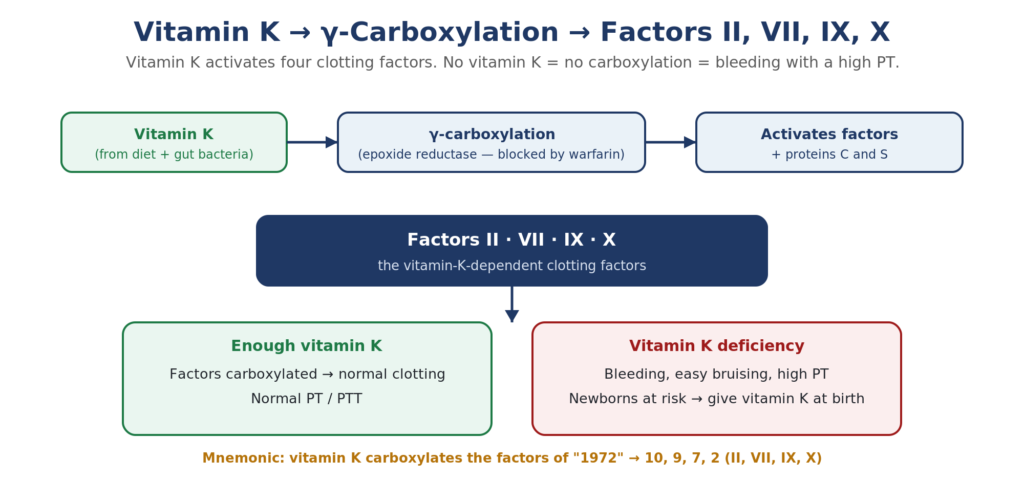
Figure 4. Vitamin K activates factors II, VII, IX, X via gamma-carboxylation.
| MNEMONICVitamin K clots the factors of ‘1972’ → 10, 9, 7, 2 (II, VII, IX, X). Warfarin blocks the same pathway. |
Two comparisons show up again and again. Memorize the tiebreaker for each.
Both cause megaloblastic anemia. Only B12 raises methylmalonic acid and causes neurologic signs (subacute combined degeneration). Both raise homocysteine. Never treat presumed B12 deficiency with folate alone.
Both come from thiamine (B1) deficiency. Wernicke-Korsakoff is the CNS picture (confusion, ophthalmoplegia, ataxia, memory loss), beriberi is the peripheral/cardiac picture (wet = heart failure, dry = neuropathy).
Here is every high yield vitamin on one screen, solubility, its active/coenzyme role, the deficiency syndrome, the signature buzzword, and the classic lab. If you memorize one table, make it this one.
| Vitamin | Solubility | Deficiency syndrome | Signature buzzword | Classic lab |
|---|---|---|---|---|
| B1 Thiamine | Water | Wernicke-Korsakoff, beriberi | Confused alcoholic + ataxia | Erythrocyte transketolase (TPP effect) |
| B2 Riboflavin | Water | Cheilosis, corneal vascularization | Cracked lip corners | — |
| B3 Niacin | Water | Pellagra (3 D’s) | Dermatitis, diarrhea, dementia | — |
| B5 Pantothenate | Water | Dermatitis, enteritis (rare) | Builds coenzyme A | — |
| B6 Pyridoxine | Water | Neuropathy, sideroblastic anemia | Isoniazid patient | Ring sideroblasts |
| B7 Biotin | Water | Dermatitis, alopecia | Raw egg whites (avidin) | — |
| B9 Folate | Water | Megaloblastic anemia, NTDs | No neuro signs | ↑ homocysteine, normal MMA |
| B12 Cobalamin | Water* | Megaloblastic + SCD | Neuro signs + anemia | ↑ homocysteine + ↑ MMA |
| C Ascorbic acid | Water | Scurvy | Corkscrew hairs, bleeding gums | — |
| A Retinol | Fat | Night blindness | Bitot’s spots, keratomalacia | — |
| D | Fat | Rickets, osteomalacia | Bowed legs, soft bones | ↓ Ca/PO4, ↑ ALP |
| E Tocopherol | Fat | Hemolysis, ataxia | Mimics B12 but normal MMA | Hemolysis |
| K | Fat | Bleeding | ↑ PT, newborn bleeding | ↑ PT |
B12 is water soluble but is uniquely stored in the liver, so its deficiency takes years to appear.
| MASTER MNEMONICS Fat-soluble = A, D, E, K (‘the fat cats ADEK’). Everything else (B-complex + C) is water-soluble. Vitamin K → factors 2, 7, 9, 10 (‘1972’). Niacin → 3 D’s. B12 = nerves + MMA, folate = no nerves, normal MMA. |
That’s the UIT method. Learn Step 1 biochemistry as pattern recognition, where IMGs lose the most avoidable points.
On the exam you read the clue first and need the vitamin instantly, so train the reverse direction. The visual below pairs each classic phrase with its vitamin.
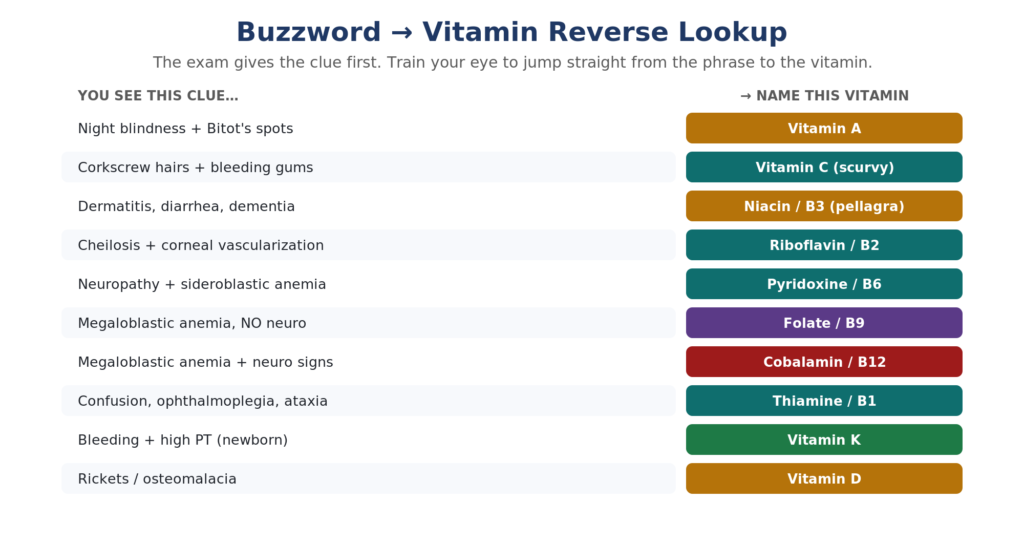
Figure 5. See the buzzword, name the vitamin.
These are the specific swaps and secondary causes the exam reuses, illustrated through worked vignettes with the same distractor analysis. Learn to see them coming.
| WHERE UIT FITS Recognizing one decisive clue and committing to the answer is exactly the skill the IMG Helping Hands UIT (USMLE Impact Theory) course drills across all of Step 1, from nutrition to pharmacology to pathology. |
These are original, NBME-style answer explanations matched to real exam phrasing and difficulty. Commit to an answer before reading the explanation.
A 54-year old man with a long history of alcohol use is brought in confused. Exam shows horizontal nystagmus, lateral gaze palsy, and a broad based unsteady gait. Which deficiency is most likely, and what must be given before IV glucose?
(A) Niacin
(B) Thiamine
(C) Folate
(D) Vitamin B12
(E) Pyridoxine
| ANSWER: B Confusion + ophthalmoplegia + ataxia in an alcoholic = Wernicke encephalopathy from thiamine (B1) deficiency. Thiamine must be given before glucose to avoid precipitating acute Wernicke. (A) Niacin = pellagra (C)/(D) cause megaloblastic anemia (E) B6 = neuropathy/sideroblastic anemia. |
A 6-year old has a photosensitive dermatitis on sun exposed skin, chronic diarrhea, and irritability with cognitive decline. Dietary history is unremarkable, but urine shows increased neutral amino acids. Which deficiency underlies this presentation?
(A) Niacin (from Hartnup disease)
(B) Vitamin C
(C) Vitamin A
(D) Thiamine
(E) Riboflavin
| ANSWER: A The 3 D’s of pellagra (dermatitis, diarrhea, dementia) plus neutral aminoaciduria = Hartnup disease, which impairs tryptophan absorption and lowers niacin synthesis. Carcinoid and isoniazid are the other niacin lowering causes, the aminoaciduria specifically points to Hartnup. |
A 62-year old vegan has fatigue, a sore tongue, numbness and tingling in the feet, and difficulty with balance. Labs show macrocytic anemia with hypersegmented neutrophils. Which lab best confirms the specific deficiency?
(A) Normal methylmalonic acid
(B) Elevated methylmalonic acid
(C) Low homocysteine
(D) Low ferritin
(E) Elevated haptoglobin
| ANSWER: B Macrocytic anemia with neurologic signs in a vegan = B12 deficiency, which raises methylmalonic acid (and homocysteine). MMA is the discriminator from folate deficiency. (A) would suggest folate (C) is wrong (homocysteine is high) (D)/(E) point elsewhere. |
A pregnant woman with poor dietary intake delivers an infant with a neural tube defect. The mother had macrocytic anemia with a normal methylmalonic acid level and no neurologic signs. Which deficiency is most likely?
(A) Vitamin B12
(B) Folate
(C) Iron
(D) Vitamin K
(E) Vitamin A
| ANSWER: B Megaloblastic anemia with normal MMA and no neuro signs, plus a neural tube defect, is folate (B9) deficiency. Folate is supplemented periconceptionally to prevent NTDs. (A) B12 would raise MMA and cause neuro signs (C) iron gives microcytic anemia. |
A 70-year old man with alcoholism and a poor diet has perifollicular hemorrhages, corkscrew body hairs, swollen bleeding gums, and bruising. Which enzyme reaction is impaired?
(A) Hydroxylation of proline and lysine in collagen synthesis
(B) Gamma-carboxylation of clotting factors
(C) Transketolase activity
(D) Methylmalonyl-CoA mutase
(E) Dopamine β-hydroxylase only
| ANSWER: A Corkscrew hairs + bleeding gums + perifollicular hemorrhage = scurvy (vitamin C deficiency). Vitamin C is required to hydroxylate proline and lysine in collagen synthesis. (B) is vitamin K (C) thiamine (D) B12-dependent step (E) too narrow. |
A 2-year old in a low resource region has difficulty seeing at dusk. Exam shows dry conjunctivae with foamy gray patches and early corneal softening. Which deficiency is responsible?
(A) Vitamin A
(B) Vitamin D
(C) Vitamin E
(D) Riboflavin
(E) Vitamin K
| ANSWER: A Night blindness + Bitot’s spots + keratomalacia = vitamin A deficiency, a leading cause of preventable childhood blindness. (B) rickets (C) hemolysis/ataxia (D) cheilosis (E) bleeding. |
A newborn who did not receive routine prophylaxis at birth develops bleeding from the umbilical stump and into the skin. Coagulation studies show a prolonged PT. Which deficiency and mechanism explain this?
(A) Vitamin C: impaired collagen
(B) Vitamin K: impaired gamma-carboxylation of factors II, VII, IX, X
(C) Vitamin B12: impaired DNA synthesis
(D) Folate: impaired methylation
(E) Vitamin E: membrane oxidation
| ANSWER: B VITAMIN K: IMPAIRED GAMMA-CARBOXYLATION Newborn bleeding with prolonged PT = vitamin K deficiency. Vitamin K enables gamma-carboxylation of factors II, VII, IX, X: newborns are deficient and get vitamin K at birth. The other options don’t prolong PT via this mechanism. |
A patient started on isoniazid for tuberculosis develops peripheral neuropathy. Supplementation with which vitamin both prevents and treats this complication?
(A) Niacin
(B) Pyridoxine
(C) Thiamine
(D) Folate
(E) Vitamin C
| ANSWER: B PYRIDOXINE Isoniazid depletes vitamin B6 (pyridoxine), causing peripheral neuropathy (and it can also lower niacin synthesis). Pyridoxine is co-administered to prevent this. Thiamine, folate, niacin, and vitamin C do not address the isoniazid–B6 interaction. |
A 45-year old with fat malabsorption from cystic fibrosis has ataxia, loss of proprioception, and hemolytic anemia. Methylmalonic acid is normal and there is no macrocytosis. Which deficiency best explains the neurologic picture?
(A) Vitamin B12
(B) Vitamin E
(C) Folate
(D) Thiamine
(E) Niacin
| ANSWER: B VITAMIN E Neurologic signs (ataxia, proprioceptive loss) + hemolysis with normal MMA and no megaloblastic anemia in fat malabsorption = vitamin E deficiency, which mimics B12 but without the MMA rise. (A) B12 would raise MMA, the normal MMA rules it out. |
A patient reports flushing, diarrhea, and pellagra-like dermatitis. Imaging reveals a small bowel tumor with liver metastases and elevated urinary 5-HIAA. Which deficiency mechanism explains the skin findings?
(A) Tryptophan diverted to serotonin, lowering niacin (carcinoid syndrome)
(B) Impaired collagen hydroxylation
(C) Thiamine depletion
(D) Folate trapping
(E) Vitamin A excess
| ANSWER: A TRYPTOPHAN DIVERTED TO SEROTONIN (CARCINOID) Flushing + diarrhea + elevated 5-HIAA = carcinoid syndrome, which diverts tryptophan to serotonin, lowering niacin synthesis and producing a pellagra-like picture. The other mechanisms don’t fit the carcinoid/serotonin story. |
Get an honest read on your Step 1 prep from IMG mentors who’ve matched, and a plan built around your weak areas.
Screenshot this. Every high yield vitamin compressed to its deficiency and the single buzzword that nails it.
| Vitamin | Deficiency | Nail-it buzzword |
|---|---|---|
| B1 Thiamine | Wernicke-Korsakoff, beriberi | Confused alcoholic + ophthalmoplegia + ataxia |
| B2 Riboflavin | Cheilosis | Cracked lip corners + corneal vascularization |
| B3 Niacin | Pellagra | 3 D’s: Hartnup / carcinoid / isoniazid |
| B6 Pyridoxine | Neuropathy, sideroblastic anemia | Isoniazid patient |
| B9 Folate | Megaloblastic anemia, NTDs | No neuro signs: normal MMA |
| B12 Cobalamin | Megaloblastic + SCD | Neuro signs: high MMA |
| C | Scurvy | Corkscrew hairs, bleeding gums |
| A | Night blindness | Bitot’s spots, keratomalacia |
| D | Rickets / osteomalacia | Bowed legs: ↓Ca/PO4, ↑ALP |
| E | Hemolysis, ataxia | Mimics B12 but normal MMA |
| K | Bleeding | ↑ PT: factors II, VII, IX, X |
| FASTEST RECALL TRIGGERS ADEK = fat-soluble. Everything else is water-soluble. Fat malabsorption knocks out A, D, E, K together. B12 = nerves + high MMA. Folate = no nerves, normal MMA. Both = megaloblastic + high homocysteine. Vitamin K → 2, 7, 9, 10. Niacin → 3 D’s. C → collagen (corkscrew hairs). A → eyes (night blindness). |
Check methylmalonic acid and look for neurologic signs. B12 deficiency raises MMA and causes neuro signs (subacute combined degeneration), folate deficiency has normal MMA and no neuro signs. Both raise homocysteine.
A, D, E, and K. They are stored in liver and fat, absorbed with dietary fat, and their deficiency follows fat malabsorption (e.g., cystic fibrosis, celiac disease).
Dermatitis, diarrhea, and dementia, the classic triad of niacin (B3) deficiency, with a fourth D (death) if untreated.
A glucose load consumes thiamine as a cofactor, in a thiamine-deficient patient this can precipitate acute Wernicke encephalopathy, so thiamine is given first.
Factors II, VII, IX, and X (plus proteins C and S). Vitamin K enables their gamma-carboxylation, deficiency prolongs the PT.
Hartnup disease (impaired tryptophan absorption), carcinoid syndrome (tryptophan diverted to serotonin), and isoniazid (depletes B6, needed to make niacin from tryptophan).
See the highest-yield Step 1 systems mapped the same buzzword-first way, free, and built for IMGs.
First Aid for the USMLE Step 1 (Biochemistry: vitamins)
Lippincott Illustrated Reviews: Biochemistry
NBME Step 1 content outline (current blueprint).
| TAKE THIS FURTHER WITH UIT If vitamin deficiencies finally clicked, imagine the whole of Step 1 taught this way. The IMG Helping Hands UIT (USMLE Impact Theory) course builds every high yield topic around the same buzzword → mechanism → trap → mnemonic engine you just used, so you recognize the answer before you finish the stem. |
IMG HELPING HANDS – UIT USMLE STEP 1 PROGRAM
Water-soluble or fat-soluble, and suddenly thirteen vitamins behave predictably instead of blurring together. That’s the UIT method, and it runs through every high-yield system on Step 1, live, mapped to First Aid, and built specifically for IMGs.
Buzzword-first teaching. FA-mapped structure. Live mentorship from doctors who’ve matched as IMGs.
Learn the pattern once. Read the buzzword every time.
Articles published by IMG Helping Hands are prepared by our team using information from direct experience, publicly available resources, and educational references. AI tools may be used to assist with drafting, proofreading, and formatting; however, all content undergoes review and approval before publication.
The information provided is intended for educational purposes only. Requirements, policies, and processes may change over time. Readers should consult official sources for the most current information.