

Every IMG hits the same wall during endocrine review. The symptoms blur together. The lab values flip without warning. The drug names look almost identical. And the questions on the real exam almost never give you a clean clinical picture. They give you a fragment. A reflex pattern. A pregnant patient. A confused elderly woman in winter. A skinny teenager with bulging eyes.
Thyroid disorders feel difficult because most students try to memorize them. That approach collapses on test day because the USMLE does not test memory. It tests reasoning. Once you understand the physiology, every clinical pattern becomes obvious. Every drug becomes predictable. Every lab pattern tells a story before you even finish the stem.
This guide rebuilds your thyroid knowledge the way UIT teaches it. We start at the molecular level and travel outward to the bedside. By the end of this article you will recognize thyroid pathology faster than most US medical students. That is the standard we hold every IMG to, because that is the standard the residency match requires.
| Why This Guide Is Different We do not list facts. We connect them.We teach the mechanism behind every symptom and every lab value. We give you the visual frameworks UIT uses inside its conceptual teaching system. |
The thyroid gland is the metabolic accelerator of the body. Think of it as the throttle on an engine. When it works correctly the body runs at the right speed. When it accelerates too much you get hyperthyroidism. When it slows down you get hypothyroidism. That is the entire framework. Everything else is detailed.
The thyroid does not act alone. It is controlled by a three layer hierarchy that the USMLE tests constantly. The hypothalamus sits at the top and releases thyrotropin releasing hormone (TRH). TRH travels a short distance to the anterior pituitary, which then releases thyroid stimulating hormone (TSH) into the bloodstream. TSH binds receptors on thyroid follicular cells and tells them to make and release T3 and T4.
T3 and T4 then feed back negatively on both the pituitary and the hypothalamus. When hormone levels rise, TSH falls. When hormone levels fall, TSH rises. This is the lab pattern you will see on every Step 1 question. Master this single concept and you will never confuse primary, secondary, and tertiary thyroid disease again.
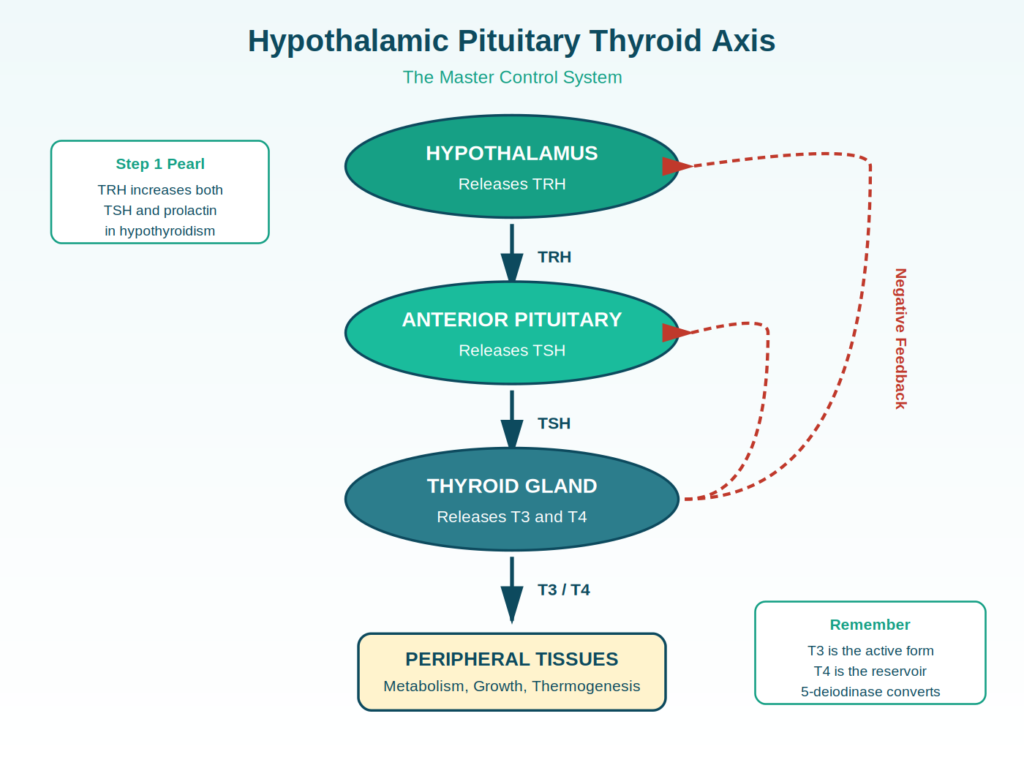
Figure 1. The HPT axis. Negative feedback is the key concept tested on Step 1.
Thyroid hormone synthesis happens inside the follicular cell. The follicle is a sphere of cells surrounding a pool of colloids. The colloid is essentially a storage tank filled with thyroglobulin protein. Synthesis follows a clean seven step sequence.
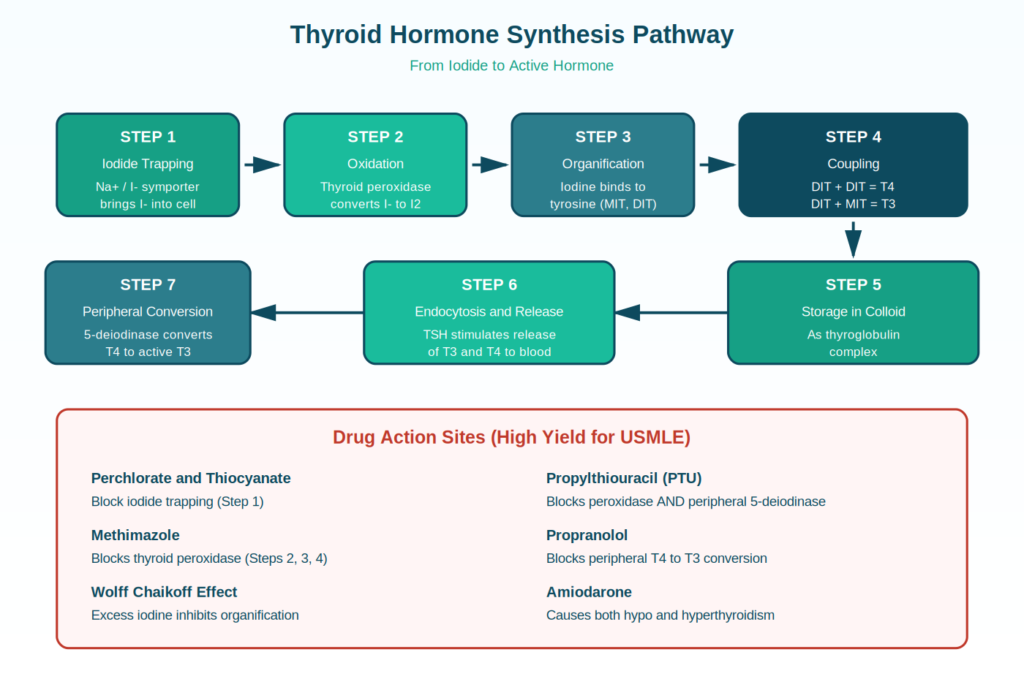
Figure 2. Thyroid hormone synthesis pathway with drug action sites.
| Step 1 Pearl T4 is the storage form. T3 is the active form. About 80 percent of circulating T3 comes from peripheral conversion of T4. Drugs that block 5 deiodinase (PTU, propranolol, glucocorticoids, amiodarone) reduce active T3 quickly. This is why PTU works faster than methimazole in thyroid storm. |
In blood, more than 99 percent of T3 and T4 is bound to thyroxine binding globulin (TBG). Only the tiny free fraction is biologically active. This explains a common Step 1 trap. Pregnancy and oral estrogens raise TBG, which raises total T4 but keeps free T4 normal. The patient is not hyperthyroid. She just has more carrier protein.
Inside cells T3 binds nuclear receptors and acts as a transcription factor. It increases basal metabolic rate, sodium potassium ATPase activity, beta adrenergic receptor expression, and oxygen consumption. This explains every clinical symptom you will encounter. Heat intolerance, tachycardia, weight loss, and tremor are all downstream effects of upregulated metabolism and beta receptors.
| USMLE Trap Box Total T4 changes with TBG levels. Free T4 does not. Pregnancy raises TBG. So does oral contraceptives, hepatitis, and HIV protease inhibitors. Nephrotic syndrome and androgens lower TBG. If the patient is clinically euthyroid with high total T4, suspect TBG variation, not real disease. |
Iodine is the fuel for thyroid hormone synthesis. The body has two protective mechanisms that USMLE writers love to test. The Wolff Chaikoff effect describes how excess iodine temporarily shuts down hormone synthesis. The thyroid recognizes the surge and protects itself. After several days the gland adapts and resumes normal function. This is the principle behind giving potassium iodide in thyroid storms.
The Jod Basedow phenomenon is the opposite. When iodine is given to someone with iodine deficient goiter or autonomous nodules, hormone synthesis surges and the patient becomes hyperthyroid. Both effects are favorites on the exam because they reveal whether you understand iodine homeostasis.
This single table replaces hours of disorganized note review. Every row is a high yield USMLE comparison. Internalize this and you will recognize the diagnosis from the first sentence of the stem.
| Feature | Hyperthyroidism | Hypothyroidism |
|---|---|---|
| Weight | Weight loss with increased appetite | Weight gain with decreased appetite |
| Temperature | Heat intolerance, sweating, warm moist skin | Cold intolerance, dry coarse skin |
| Heart Rate | Tachycardia, palpitations, atrial fibrillation, widened pulse pressure | Bradycardia, narrow pulse pressure, pericardial effusion |
| GI | Diarrhea, increased motility | Constipation, slow motility |
| Reflexes | Hyperreflexia, brisk DTRs, fine tremor | Hyporeflexia with delayed relaxation phase |
| Mental Status | Anxiety, restlessness, insomnia, irritability | Fatigue, depression, slowed cognition |
| Menstruation | Oligomenorrhea or amenorrhea | Menorrhagia, then amenorrhea in late disease |
| Hair and Skin | Thin hair, warm moist skin, onycholysis | Coarse hair, dry skin, loss of outer eyebrow |
| Cholesterol | Low (more LDL receptors expressed) | High (fewer LDL receptors, slowed clearance) |
| TSH | Low (primary cause) | High (primary cause) |
| Free T4 and T3 | High | Low |
| Classic Antibody | Thyroid stimulating immunoglobulin (TSI) | Anti TPO and anti thyroglobulin |
| Top Cause | Graves disease | Hashimoto thyroiditis |
| Pathology | Tall columnar epithelium, scalloped colloid | Hurthle cells, germinal centers, lymphocytic infiltrate |
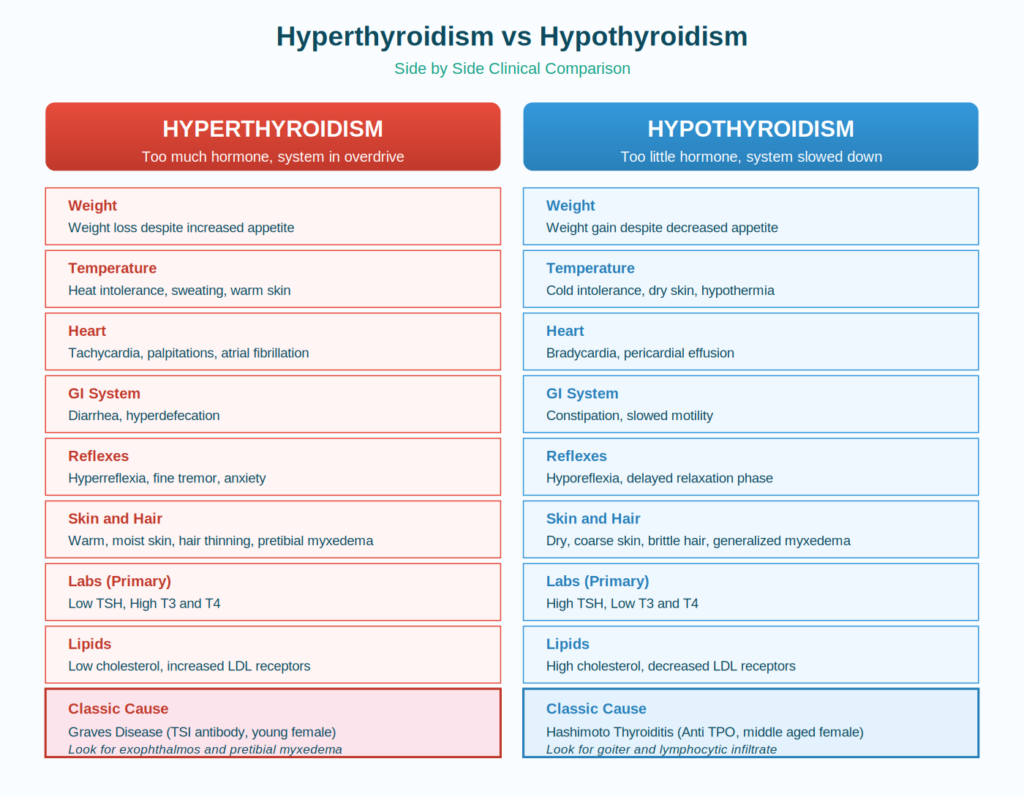
Figure 3. Visual side by side comparison of hyperthyroidism and hypothyroidism.
Hyperthyroidism means excess thyroid hormone. The clinical picture is consistent: a hypermetabolic patient with cardiovascular and neurological hyperactivity. But the cause matters because the cause determines the treatment, the antibodies, the radioiodine scan pattern, and the prognosis.
Graves disease is the single most important cause of hyperthyroidism on Step 1. It is an autoimmune disorder driven by thyroid stimulating immunoglobulin (TSI), an antibody that binds and activates the TSH receptor. This is classified as type II hypersensitivity, but unlike most type II reactions, the antibody stimulates rather than destroys.
The classic Graves patient is a young woman between 20 and 40 with weight loss, palpitations, anxiety, and a diffusely enlarged goiter that may produce an audible bruit. The two findings unique to Graves are exophthalmos and pretibial myxedema. Both result from glycosaminoglycan deposition in retroorbital tissue and pretibial skin respectively. These findings do not occur in any other cause of hyperthyroidism.
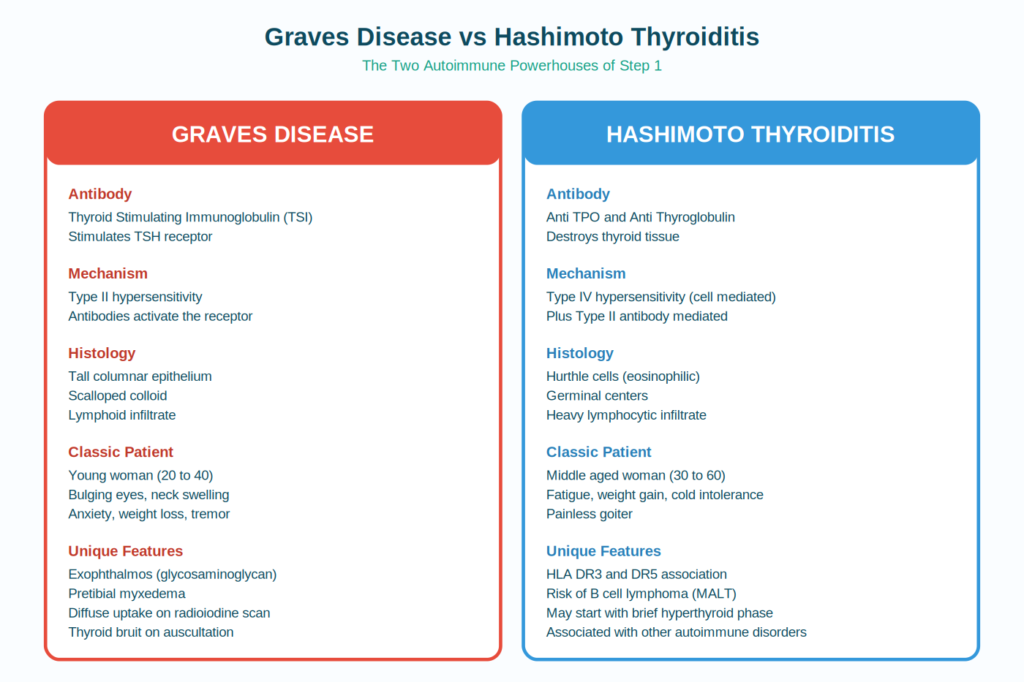
Figure 4. Graves disease and Hashimoto thyroiditis at a glance.
Toxic multinodular goiter results from one or more autonomously functioning thyroid nodules that produce hormones independent of TSH regulation. It typically appears in older patients, often with a long standing nontoxic goiter that gradually becomes hyperfunctioning. Unlike Graves, there is no autoimmune component, no exophthalmos, and no pretibial myxedema.
On radioiodine scan you will see patchy uptake with hot and cold areas. This is the classic visual distinction from Graves, which shows uniformly increased uptake. Treatment is usually radioiodine ablation or surgery.
Thyroid storm is the life threatening extreme of hyperthyroidism. It often follows an inciting event like surgery, trauma, infection, or iodine load in an undertreated hyperthyroid patient. The presentation is dramatic. High fever, severe tachycardia, atrial fibrillation, altered mental status, vomiting, and cardiovascular collapse.
Treatment follows a memorable framework. We start by blocking hormone synthesis with PTU, blocking hormone release with iodine given an hour after PTU, blocking peripheral conversion with high dose glucocorticoids and propranolol, and supporting the patient with cooling and fluids. The reason PTU is preferred over methimazole in storm is its added effect on peripheral 5 deiodinase, which lowers active T3 faster.
| Storm Treatment Memory Aid Block synthesis: PTU Block release: Iodine (given one hour after PTU to avoid Jod Basedow) Block conversion: Propranolol and glucocorticoids Block symptoms: Beta blocker for tachycardia Support: Cooling, fluids, treat the underlying trigger |
Subacute thyroiditis, also called de Quervain thyroiditis, presents as a painful, tender thyroid gland after a viral illness. The inflammation releases preformed hormone, causing a brief hyperthyroid phase. This is followed by a hypothyroid phase as stores deplete, then full recovery in most patients.
The key clue is pain on palpation of the thyroid combined with elevated ESR. Radioiodine uptake is low because the gland is leaking, not synthesizing. Treatment is supportive with NSAIDs and beta blockers.
Compare this to silent thyroiditis and postpartum thyroiditis, both of which produce a similar biphasic pattern but without pain. Postpartum thyroiditis appears within one year of delivery and is often missed because the symptoms blend with normal postpartum changes.
| USMLE Trap Box Painful thyroid plus hyperthyroidism plus low radioiodine uptake equals subacute thyroiditis. Painless thyroid plus hyperthyroidism plus low radioiodine uptake equals silent or postpartum thyroiditis. Painless thyroid plus hyperthyroidism plus high diffuse uptake equals Graves disease. Painless thyroid plus hyperthyroidism plus patchy uptake equals toxic multinodular goiter. |
Hypothyroidism means inadequate thyroid hormone. The clinical picture is a slowed body. Fatigue, cold intolerance, weight gain, constipation, dry skin, bradycardia, hyporeflexia with delayed relaxation, and elevated cholesterol. The differential is narrower than hyperthyroidism but the implications are wider because hypothyroidism is far more common in the general population.
Hashimoto thyroiditis is the most common cause of hypothyroidism in iodine sufficient regions. It is an autoimmune disease driven by both cell mediated destruction (type IV hypersensitivity) and antibody mediated injury (type II hypersensitivity). The classic antibodies are anti thyroid peroxidase (anti TPO) and anti thyroglobulin.
The classic Hashimoto patient is a middle aged woman with fatigue, weight gain, cold intolerance, and a painless nontender goiter. The histology shows heavy lymphocytic infiltrate with germinal centers and characteristic eosinophilic Hurthle cells. A small but real risk of B cell non Hodgkin lymphoma exists in long standing disease.
Hashimoto is associated with other autoimmune conditions like type 1 diabetes, pernicious anemia, vitiligo, and Addison disease. It also has a strong link with HLA DR3 and DR5. Some patients pass through a brief hyperthyroid phase called hashitoxicosis early in the disease as the gland releases stored hormone during destruction.
Globally, iodine deficiency remains the most common cause of hypothyroidism. In iodine deficient regions, the thyroid hypertrophies in an attempt to capture every available molecule of iodine, producing a goiter. Severe iodine deficiency in pregnancy can cause endemic cretinism in offspring, with severe intellectual disability and short stature.
Congenital hypothyroidism is screened for in nearly every developed country because early detection prevents catastrophic outcomes. Untreated, it causes cretinism with the classic features: pot belly, pale puffy face, protruding tongue, poor brain development, and poor growth. Treatment with levothyroxine started in the first weeks of life produces normal cognitive outcomes.
| Six P Mnemonic for Cretinism Pot bellied Pale Puffy faced Protruding umbilicus Protuberant tongue Poor brain development |
Myxedema coma is the life threatening end stage of untreated hypothyroidism. It usually occurs in elderly patients in winter, often after an infection or after starting a sedative. The presentation includes hypothermia, hypoventilation, hyponatremia, hypoglycemia, hypotension, and altered mental status leading to coma.
Treatment requires immediate intravenous levothyroxine, intravenous hydrocortisone (because coexisting adrenal insufficiency is common), passive rewarming, and supportive care. Mortality remains high even with prompt treatment.
Secondary hypothyroidism comes from pituitary failure. TSH is low and free T4 is low. Consider Sheehan syndrome in a postpartum woman who failed to lactate, pituitary adenoma in a patient with visual field defects, and trauma or radiation in the appropriate history.
Tertiary hypothyroidism comes from hypothalamic failure with low TRH, low TSH, and low T4. This pattern is rare but is sometimes used as a USMLE distractor.
Thyroid pharmacology rewards a mechanism first approach. Once you know where each drug acts on the synthesis pathway, you can predict its uses, its side effects, and the reasoning behind every clinical decision.
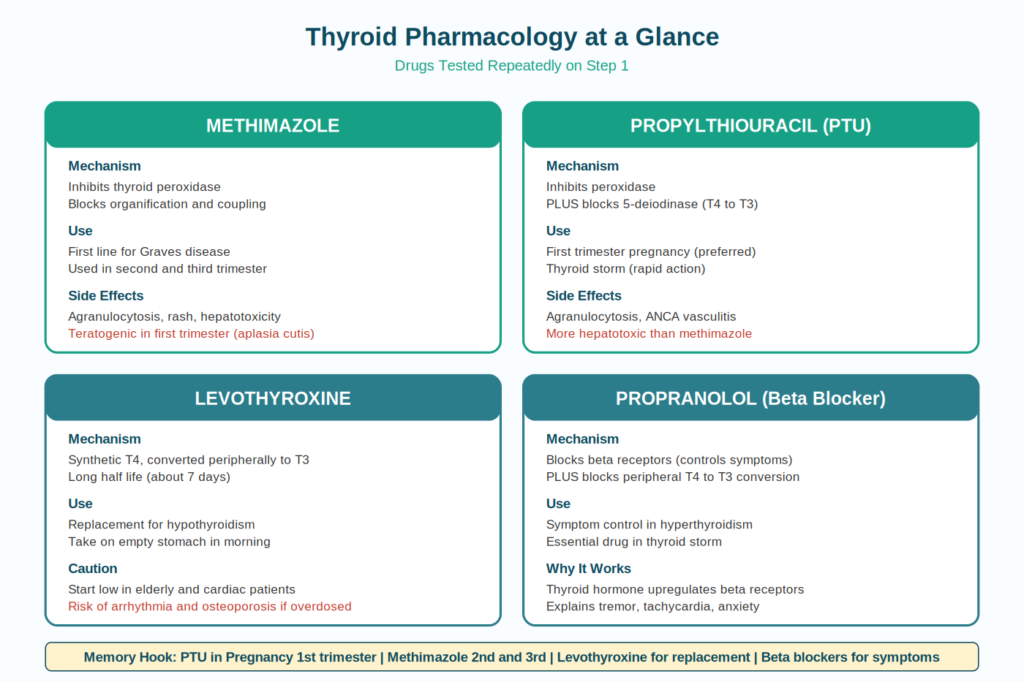
Figure 5. The four core thyroid drugs you must master for Step 1.
Methimazole inhibits thyroid peroxidase, blocking organification and coupling. It is the first line agent for Graves disease in nonpregnant patients and the agent used in the second and third trimesters of pregnancy. Major adverse effects include agranulocytosis, hepatotoxicity, and rash. The teratogenic risk in the first trimester is aplasia cutis, which is why we avoid it during organogenesis.
PTU also inhibits thyroid peroxidase but adds a second mechanism. It blocks peripheral 5 deiodinase, reducing the conversion of T4 to active T3. This dual action makes it preferred in two scenarios: the first trimester of pregnancy (because methimazole is teratogenic) and thyroid storm (because rapid T3 reduction is needed). PTU carries a higher risk of hepatotoxicity than methimazole and can also cause ANCA associated vasculitis.
Levothyroxine is synthetic T4. It is the standard replacement therapy for hypothyroidism. Because its half life is roughly seven days, steady state takes around six weeks. Dose adjustments are guided by TSH measured at six week intervals. Patients should take it on an empty stomach because food, calcium, iron, and antacids reduce absorption.
Special considerations matter. In elderly patients and those with coronary disease, start at a low dose and uptitrate slowly to avoid triggering arrhythmia or angina. In pregnancy, dose requirements rise by 25 to 50 percent in the first trimester. Overdose causes iatrogenic hyperthyroidism with risk of atrial fibrillation and osteoporosis.
Propranolol is a nonselective beta blocker that does two important things in hyperthyroidism. It controls the adrenergic symptoms (tremor, tachycardia, anxiety, palpitations) and it inhibits peripheral T4 to T3 conversion. It does not change hormone production, so it is always used as an adjunct, never as monotherapy.
| Pregnancy Pharmacology Trap First trimester: PTU (methimazole causes aplasia cutis) Second and third trimesters: Methimazole (PTU is more hepatotoxic) Levothyroxine dose rises by 25 to 50 percent in pregnancy Untreated maternal hypothyroidism causes fetal cognitive deficits |
Mnemonics work when they map to mechanism. The ones below have been refined inside the UIT teaching system and stick because they reflect how the disease actually behaves.
The USMLE rarely asks you to recall a fact. It asks you to apply one. Thyroid questions are written to test reasoning across pathology, physiology, and pharmacology in a single stem. Knowing the patterns the test writers favor gives you a major edge.
Watch carefully for total versus free hormone levels. A pregnant patient with elevated total T4 and normal free T4 is euthyroid with elevated TBG. A patient on oral contraceptives with the same pattern is not hyperthyroid. Question writers exploit this distinction in nearly every endocrine block.
Negative feedback questions test whether you understand which level of the axis is failing. Primary disease shows reciprocal changes in TSH and free T4. Secondary disease shows TSH and free T4 moving together. Tertiary disease looks secondary in labs but has a clinical context pointing to the hypothalamus.
The exam loves classic histology images and descriptive phrases. Hurthle cells with germinal centers point to Hashimoto. Tall columnar epithelium with scalloped colloid points to Graves. Granulomas with multinucleate giant cells in a painful thyroid point to subacute (de Quervain) thyroiditis. Riedel thyroiditis shows fibrosis replacing the gland and is sometimes presented as a rock hard goiter linked to IgG4 related disease.
Pregnancy plus hyperthyroidism in the first trimester points to PTU. The second or third trimester points to methimazole. Thyroid storm requires PTU plus iodine plus beta blocker plus glucocorticoid. A neonate with aplasia cutis suggests methimazole exposure during organogenesis.
Memorize four core patterns. Low TSH with high free T4 means primary hyperthyroidism. High TSH with low free T4 means primary hypothyroidism. Low TSH with low free T4 means central (secondary or tertiary) hypothyroidism. High TSH with high free T4 raises concern for TSH secreting pituitary adenoma or thyroid hormone resistance, both rare but tested.
| Quick Pattern Recognition Young female with bulging eyes and weight loss: Graves Middle aged female with fatigue, weight gain, and painless goiter: Hashimoto Painful thyroid after viral illness with low uptake: subacute thyroiditis Older patient with patchy uptake and AFib: toxic multinodular goiter Neonate with macroglossia and poor feeding: congenital hypothyroidism Elderly in winter with hypothermia and altered mental status: myxedema coma |
Most students walk into Step 1 endocrine review with a textbook, a notebook, and a vague sense of dread. UIT was built to replace that experience with something more structured. We teach thyroid pathology the way clinicians actually think about it. Mechanism first. Visual frameworks. Integrated pharmacology. Repetition through active recall.
Inside the UIT system you will find conceptual lectures that build endocrine physiology from the ground up, integrated case based discussions that simulate the real exam, structured note packets that mirror the framework in this article, and short form revision systems that work on the day before your exam. Our students do not memorize. They reason. And that is the difference that wins on test day.
| Why IMGs Choose UIT Conceptual teaching that builds reasoning skill, not memorization Visual frameworks designed specifically for visual learners Structured progression from physiology to pathology to pharmacology IMG focused mentorship from people who walked the same path Affordable access to high quality USMLE preparation |
These notes are designed for the day before the exam. They strip every concept in this article down to its most testable form. Read this section twice and you have a complete refresh of thyroid pathology in under five minutes.
| Must Know Facts TSH is the single most sensitive test for thyroid disease. Free T4 is more informative than total T4. Graves and Hashimoto can coexist with other autoimmune conditions. Always check TSH before starting amiodarone, lithium, or iodinated contrast. Levothyroxine dose rises in pregnancy. |
Test yourself with these board style questions. Each option is explained. The goal is to build pattern recognition, not memorize answers.
A 32 year old woman presents with palpitations, weight loss, heat intolerance, and bulging eyes. Examination reveals a diffusely enlarged thyroid with an audible bruit. Which antibody is most likely responsible?
Answer: C. TSI activates the TSH receptor, causing Graves disease. The classic triad is diffuse goiter, exophthalmos, and a young female patient. Anti TPO is the Hashimoto antibody. ANA is not specific for thyroid disease.
A 45 year old woman with fatigue and weight gain has a painless goiter. TSH is elevated and free T4 is low. Biopsy shows lymphocytic infiltrate with germinal centers and eosinophilic cells. What is her long term risk?
Answer: D. Hashimoto thyroiditis carries a small but real risk of B cell non Hodgkin lymphoma due to chronic lymphocytic activity in the gland.
A 28 year old woman in her first trimester of pregnancy is diagnosed with Graves disease. Which agent is most appropriate?
Answer: B. PTU is preferred in the first trimester because methimazole causes aplasia cutis. Radioiodine is contraindicated in pregnancy.
A 60 year old patient presents in winter with hypothermia, bradycardia, hyponatremia, and altered mental status. What is the most appropriate immediate treatment?
Answer: B. Myxedema coma requires IV levothyroxine and IV hydrocortisone because concurrent adrenal insufficiency is common. Oral absorption is unreliable in this state.
A 35 year old woman has a tender, swollen thyroid and palpitations three weeks after a viral upper respiratory infection. Radioiodine uptake is low. What is the diagnosis?
Answer: C. Painful thyroid with hyperthyroidism after viral illness and low radioiodine uptake points to subacute (de Quervain) thyroiditis. The gland leaks preformed hormone.
A 25 year old pregnant woman has elevated total T4 but normal free T4 and is clinically euthyroid. What explains this?
Answer: B. Pregnancy raises TBG, which raises total T4 but not free T4. The patient is euthyroid.
A 70 year old patient with longstanding nontoxic goiter develops atrial fibrillation. TSH is low, free T4 is high. Radioiodine scan shows patchy uptake. Diagnosis?
Answer: B. Patchy uptake in an older patient with longstanding goiter is the signature of toxic multinodular goiter. No exophthalmos, no autoimmune marker.
Which drug blocks both thyroid peroxidase and peripheral T4 to T3 conversion?
Answer: B. PTU has the unique dual action. This is why it is preferred in thyroid storm.
A neonate born to a mother taking an unspecified antithyroid drug in early pregnancy has a scalp skin defect. Which drug was likely used?
Answer: B. Methimazole is associated with aplasia cutis. This is why PTU is preferred in the first trimester.
A 50 year old man on amiodarone for AFib develops weight loss and tremor. TSH is suppressed and free T4 is elevated. Mechanism?
Answer: B. Amiodarone is 37 percent iodine. In patients with autonomous nodules, the iodine load triggers Jod Basedow hyperthyroidism.
Which histologic finding is most suggestive of Graves disease?
Answer: C. Graves shows tall columnar follicular cells with scalloped colloid edges. Hurthle cells and germinal centers point to Hashimoto. Granulomas suggest subacute thyroiditis.
Why does serum cholesterol rise in hypothyroidism?
Answer: C. Thyroid hormone normally upregulates LDL receptors. In hypothyroidism, fewer receptors mean slower clearance and higher serum LDL cholesterol.
A patient with hyperthyroidism shows fine tremor, anxiety, and tachycardia. Which receptor effect explains these adrenergic features?
Answer: B. Thyroid hormone upregulates beta adrenergic receptors. This is why propranolol controls the adrenergic symptoms in hyperthyroidism.
A newborn fails routine screening for hypothyroidism. Untreated, which finding is least likely to develop?
Answer: C. Congenital hypothyroidism causes short stature, not tall stature. All other findings are part of the classic cretinism presentation.
A patient in thyroid storm receives PTU. The next step is to give iodine. Why must iodine wait until after PTU is given?
Answer: B. Given alone, iodine can paradoxically increase hormone synthesis in storm. PTU is given first to block synthesis. Iodine then blocks release one hour later via the Wolff Chaikoff effect.
Graves makes hormone. Hashimoto destroys hormone. TSI in Graves is a stimulating antibody. Anti TPO in Hashimoto is a destructive antibody. Graves has exophthalmos and pretibial myxedema. Hashimoto has Hurthle cells and germinal centers.
Methimazole crosses the placenta and is associated with aplasia cutis and choanal atresia during organogenesis. PTU is preferred in the first trimester even though it has higher hepatotoxicity, because the fetal risk outweighs the maternal risk. After the first trimester we switch to methimazole.
Thyroid hormone modulates the speed of muscle contraction and relaxation. In hyperthyroidism, both contraction and relaxation are accelerated, giving brisk reflexes. In hypothyroidism, both phases slow, producing the classic delayed relaxation phase that is highly tested.
Thyroid hormone normally upregulates hepatic LDL receptors. Without enough hormone, fewer receptors are expressed, LDL clearance falls, and serum cholesterol rises. The same logic explains why correcting hypothyroidism often lowers LDL noticeably without any other intervention.
The Wolff Chaikoff effect describes how excess iodide temporarily inhibits organification of iodine and shuts down hormone synthesis. After a few days the thyroid adapts and resumes normal function. We exploit this protective mechanism therapeutically in thyroid storm.
Primary disease is at the thyroid level. TSH is high and free T4 is low. Secondary disease is at the pituitary. TSH is low and free T4 is low. Tertiary disease is at the hypothalamus. TRH, TSH, and free T4 are all low. Most clinical hypothyroidism is primary.
Yes. Factitious hyperthyroidism from levothyroxine overdose has no goiter. Struma ovarii (ectopic thyroid tissue in an ovarian teratoma) also has no goiter. Both are rare but tested.
Subclinical hypothyroidism is a high TSH with normal free T4 and no symptoms. Subclinical hyperthyroidism is a low TSH with normal free T4 and no symptoms. Treatment is individualized based on TSH levels, age, cardiovascular risk, and pregnancy plans.
Thyroid disorders feel hard because most students try to memorize them. They are not hard. They are the cleanest, most pattern based topic in endocrinology. The hypothalamus drives the pituitary. The pituitary drives the thyroid. The thyroid drives metabolism. When metabolism rises, every system speeds up. When metabolism falls, every system slows down. Every drug, every lab value, every clinical sign falls into that framework.
Once physiology is understood, thyroid disorders become pattern recognition. That is the standard UIT holds every IMG to. It is also the standard residency match interviewers expect when you sit across from them and discuss a case.
Use this article as a reference, a revision tool, and a framework for your own notes. Come back to it during your final week. Share it with classmates who feel overwhelmed. And remember that the difference between an IMG who scores well and an IMG who struggles is rarely intelligence. It is the system they study with.
IMG HELPING HANDS – UIT CONCEPTUAL USMLE PROGRAM
Join the UIT Conceptual USMLE Program at IMG Helping Hands, designed specifically for international medical graduates who want to build true clinical reasoning instead of rote memorization.
What you get inside: live lectures built for IMGs, embryology and pharmacology integration, First Aid 2025 mapping, structured notes, rapid revision packets, and mentorship from doctors who have already walked this path.
Learn the way clinicians think. Build concepts that stay for exam day and beyond.
Concept-first learning. IMG-focused teaching. Clinical reasoning for USMLE success.
Articles published by IMG Helping Hands are prepared by our team using information from direct experience, publicly available resources, and educational references. AI tools may be used to assist with drafting, proofreading, and formatting; however, all content undergoes review and approval before publication.
The information provided is intended for educational purposes only. Requirements, policies, and processes may change over time. Readers should consult official sources for the most current information.